In today’s fast-paced world, where every word and idea can be crucial, the humble voice recorder has evolved into an indispensable smart companion. Forget those clunky devices of yesteryear; the modern smart voice recorder is a sophisticated tool, often powered by artificial intelligence, designed to transform how we capture, process, and leverage spoken information. As someone who has spent over 15 years immersed in the world of audio recording, I can tell you firsthand that the leap from traditional recorders to these intelligent devices is nothing short of revolutionary.
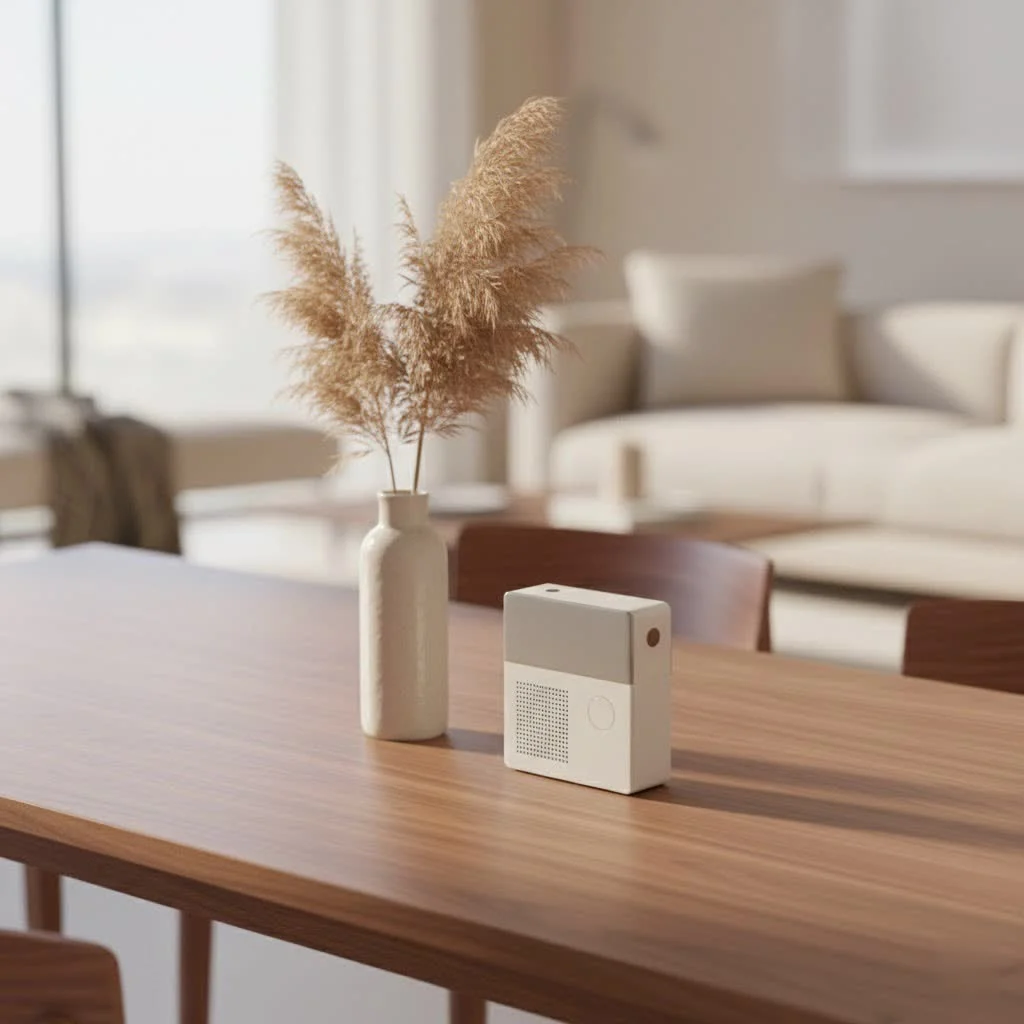
Whether you’re a journalist trying to perfectly document an interview, a student needing to revisit lecture details, or a business professional aiming to streamline meeting notes, a smart voice recorder offers features that can dramatically enhance your productivity and recall. It’s about moving beyond mere audio capture to intelligent content creation and management. For complete voice recorder library on this site.
What Exactly is a Smart Voice Recorder?
At its core, a smart voice recorder is a digital device or application that marries traditional audio recording with advanced artificial intelligence. Unlike conventional recorders that simply capture sound waves, these intelligent devices go several steps further, leveraging technologies like Automatic Speech Recognition (ASR) and Natural Language Processing (NLP) to convert spoken words into text, generate summaries, and even identify different speakers. Think of it as having a highly efficient, tireless personal assistant for every conversation you need to remember.
The workflow typically begins with high-quality microphones capturing audio, often with built-in noise cancellation. This raw audio is then either processed locally on the device or transmitted to cloud servers, where AI algorithms get to work, transcribing speech into text, adding punctuation, and even distinguishing between speakers. The final output is structured, searchable notes that can include key takeaways, action items, and organized information tailored for various use cases like meeting minutes or lecture notes.
Why Opt for a Smart Voice Recorder Over a Traditional One?
You might wonder if your smartphone or a basic digital recorder could do the trick. While convenient, smartphone recording apps often fall short in audio clarity, noise reduction, and long-duration capabilities. Dedicated digital recorders offer superior sound quality and extended battery life, but they lack the intelligent processing found in smart recorders.
Here’s a quick comparison to highlight the difference:
| Feature | Traditional Recorder | Smart Voice Recorder |
|---|---|---|
| Recording Quality | High, dedicated hardware | High, often AI-enhanced and noise-cancelled |
| Transcription | Manual or separate service | Automatic (real-time or post-processing) |
| Initial Cost | $50-$200 | $150-$400+ (for dedicated devices) |
| Ongoing Costs | None | Often includes subscription fees for AI features |
| Reliability | Very high | Moderate to high (depends on device/service) |
| Internet Required | No | Yes (often for transcription/AI features) |
| Privacy | Complete (local storage) | Concerns (cloud processing, terms of service) |
| Battery Life | 20-50 hours typical | Advertised 15-18 hours, often 4-6 hours in reality |
As you can see, the trade-off is often between the rock-solid reliability of a traditional recorder and the automated convenience of a smart device. The choice depends heavily on your specific needs and priorities.
Key Smart Features That Redefine Recording
What makes a smart voice recorder truly “smart”? It’s a suite of advanced features designed to go beyond simple audio capture:
AI-Powered Transcription and Summarization
|
Our Picks for the Best Voice Recorder in 2026
As an Amazon Associate I earn from qualifying purchases.
|
||
| Num | Product | Action |
|---|---|---|
| 1 | Digital Voice Recorder 16GB Voice Recorder with Playback for Lectures - USB Rechargeable Dictaphone Upgraded Small Tape Recorder Device |

|
| 2 | Sony ICD-UX570 Digital Voice Recorder, ICDUX570BLK, usb |
|
| 3 | Digital Voice Recorder with Playback Recording Device with Screen & AI Noise Cancellation MP3 Player, 1600H Recording, Auto-Save for Meetings, Lectures, Interviews (128, GB) |
|
| 4 | Magnetic Voice Activated Recorder - (7000 Hours) Voice Recorder with DSP 5.0-AI Noise Cancellation - 64GB Portable Recording Device, Voice Recorder with Playback for Work, Meetings, Lectures |
|
| 5 | 64GB Digital Voice Recorder with Playback: Voice Activated Recorders for Lectures Meetings Interviews - EVISTR Dictaphone Recording Device Tape Recorder Portable Mini, Audio Recorder with USB, MP3 |
|
| 6 | 132G (9800 Hour) Voice Activated Recorder - Elasound Voice Recorder with AI-Intelligent Triple Noise Reduction, Portable Audio Recorder for Work, Lectures, Meetings, 100H Continuous Recording Device |
|
| 7 | soundcore Work by Anker, Portable Al Voice Recorder, AI Note Taker, Al Transcription & Summarization, 6-Month Pro at No Charge, Cross-Meeting Summary, MFi Certified, Privacy Protection, Black |
|
| 8 | 128GB Digital Voice Recorder for Lectures Meetings - EVIDA 9296 Hours Voice Activated Recording Device Audio Recorder with Playback,Password |
|
| 9 | AI Digital Voice Recorder 128GB: AI Transcribe & Summarize Voice Activated Recorder with Playback - OTG - Portable Tape Recorder for Meeting & Lectures |
|
| 10 | 128GB Voice Recorder - ZIPCIDE Digital Voice Activated Recorder with Intelligent Noise Reduction, Professional Dictaphone Tape Recording Device with Playback for Lectures Meeting/Classes/Interview |
|
This is often the headline feature. Imagine recording a two-hour meeting and, within minutes, having a perfectly formatted text transcript, complete with speaker labels and a concise summary of key decisions and action items. Many devices and apps offer real-time transcription, converting speech to text as it happens, or rapidly processing recordings afterward. Some even offer “multidimensional summaries,” transforming one conversation into multiple role-specific reports.
Advanced Noise Cancellation and Audio Enhancement
One of the biggest challenges in recording is background noise. Smart voice recorders leverage AI algorithms and multiple microphones to actively filter out distractions like chatter, fans, or street noise, ensuring the speaker’s voice remains crisp and clear, even in challenging environments. This is a game-changer for transcription accuracy.
Voice-Activated Recording (VOR)
This intelligent feature allows the recorder to automatically start recording when it detects sound and pause during silence. This saves valuable storage space, extends battery life, and eliminates the need for you to constantly monitor and operate the device. It’s perfect for lectures or interviews where you want to capture every spoken word without recording hours of unnecessary silence.
Speaker Identification and Custom Vocabulary
Advanced smart recorders can differentiate between multiple speakers in a conversation, labeling their contributions in the transcript. Some also allow you to train the AI with custom vocabulary or industry-specific glossaries, further enhancing transcription accuracy for technical discussions.
Multimodal Input and Smart Highlighting
Some cutting-edge devices allow you to combine audio with text notes, images, or even tap the device to highlight key moments during a recording. This enriched context helps the AI generate more comprehensive and accurate summaries, ensuring critical details aren’t missed.
Searchable Audio and Workflow Integration
Once transcribed, your recordings become fully searchable. You can quickly locate specific phrases or topics within hours of audio. Many smart recorders also integrate with cloud services (like Google Drive, Dropbox, Evernote) and allow easy export in various formats (WAV, OPUS, MP3, TXT, DOCX, PDF), seamlessly fitting into your existing workflow.
The Real-World Impact: Who Benefits Most?
A smart voice recorder isn’t just a gadget; it’s a productivity multiplier for a wide range of individuals:
- Journalists and Interviewers: Capture every quote accurately without frantic note-taking, speeding up article writing and fact-checking.
- Students and Academics: Focus on understanding lectures and discussions, knowing every word is being captured and transcribed for later review and study.
- Business Professionals: Streamline meeting minutes, capture crucial decisions, and easily share summaries with team members, freeing up time for more strategic tasks.
- Content Creators and Podcasters: Simplify the process of transcribing interviews and discussions, providing accurate text for editing or repurposing content.
- Legal and Medical Fields: Ensure precise record-keeping for dictating case notes, patient information, or capturing legal proceedings where accuracy is paramount.
“A smart voice recorder isn’t just about recording sound; it’s about transforming that sound into actionable intelligence that empowers you to be more present and productive,” says Eleanor Vance, a veteran audio engineer with a keen eye on emerging technologies. “The key is understanding its capabilities and, more importantly, its limitations to integrate it effectively into your workflow.”
Hidden Truths: What to Watch Out For
While the promise of a smart voice recorder is compelling, it’s essential to approach these devices with realistic expectations. My years of experience, coupled with user feedback, reveal several critical issues to consider:
Transcription Accuracy Isn’t Always 100%
Despite impressive advancements, AI transcription isn’t perfect. User reports indicate transcription failure rates can reach up to 25%, especially in noisy environments, with multiple speakers, or strong accents. When transcription fails, you’re often left with just the raw audio, meaning you still have to manually listen and transcribe – the very task you hoped to avoid.
Battery Life Discrepancies
Manufacturers often advertise battery life spanning 15-18 hours, but real-world usage frequently falls short, with devices lasting only 4-6 hours of continuous recording. This significant difference can be frustrating if you’re relying on the device for an all-day conference or multiple long interviews.
Connectivity Challenges
Many smart recorders rely on stable Bluetooth connections with companion smartphone apps for syncing recordings and initiating transcription. Users commonly report persistent Bluetooth pairing and connection problems, making it difficult to access recordings when needed.
Subscription Costs and Hidden Fees
While the initial device purchase might seem reasonable, many smart voice recorders come with mandatory annual subscriptions for their advanced AI features like transcription and summarization. These can range from $79 to $240 per year, quickly driving up the total cost of ownership. Beware of proprietary charging cables too, which can be expensive and hard to replace if lost.
Privacy Concerns
For devices that process confidential meetings or sensitive personal information, privacy is a critical consideration. Some companies have been criticized for vague terms of service that offer little protection for user data, especially when recordings are uploaded to cloud servers for processing. Always review privacy policies carefully, especially if you’re in a field with strict data protection regulations like healthcare or legal.
Choosing the Right Smart Voice Recorder for You
With so many options, how do you pick the best smart voice recorder? Here’s a quick guide:
1. Define Your Primary Use Case
- For Meetings & Lectures: Prioritize devices with excellent noise cancellation, clear speaker identification, and robust summarization features.
- For Interviews & Journalism: Look for long battery life, ample storage, and reliable transcription, perhaps even with human transcription service integration.
- For Quick Notes & Memos: Compact size, instant recording, and seamless cloud sync might be your top priorities.
- For Discreet Recording: Miniaturized designs integrated into everyday objects are available, but always be mindful of legal and ethical considerations.
2. Prioritize Audio Quality
Regardless of smart features, clear audio is paramount. Look for devices with multiple microphones, high bitrates, and advanced noise reduction technology. Pairing your device with a high-quality, noise-canceling headset can further enhance recording precision.
3. Evaluate AI Features vs. Reliability
If transcription accuracy is mission-critical, consider a hybrid approach: use a highly reliable traditional digital recorder for capturing audio, and then use a separate, flexible AI transcription service (like Otter.ai’s free tier, Google Pixel Recorder, or even ChatGPT’s Whisper API) for processing. This mitigates the risk of complete transcription failure.
4. Consider the Ecosystem and Costs
Factor in not just the upfront device cost, but also any required subscription fees, the cost of replacement accessories, and the ease of integrating with your existing apps and cloud storage.
5. Check Reviews and Return Policies
Always read recent reviews, especially 1-star reviews, to understand common pain points. Ensure the device comes with a generous return policy (at least 30 days) so you can thoroughly test it in your typical environment before committing long-term.
FAQs About Smart Voice Recorders
Q1: What are the main disadvantages of smart voice recorders?
A: Major disadvantages include transcription failure rates (up to 25%), shorter-than-advertised battery life, persistent Bluetooth connectivity issues, often expensive subscription requirements, and sometimes vague privacy policies. Companion apps can also severely drain your phone’s battery.
Q2: How accurate are AI voice recorders for transcription?
A: While they can achieve high accuracy in ideal conditions, real-world accuracy is significantly affected by background noise, multiple speakers, accents, and network stability. User reports often indicate a notable failure rate, making them less reliable for mission-critical recordings.
Q3: Do AI voice recorders work offline?
A: Most smart voice recorders can record audio offline. However, AI-powered features like transcription and summarization typically require an internet connection, as the audio often needs to be uploaded to cloud servers for processing. Recordings are usually stored locally until they can sync.
Q4: Are the subscription costs for smart voice recorders worth it?
A: The value depends heavily on your usage. With annual subscriptions ranging from $79 to $240, plus device costs, the total ownership cost over three years can exceed $1,000. For occasional users, free smartphone apps or traditional recorders combined with flexible transcription services often offer better value.
Q5: Is my data safe with smart voice recorders?
A: Privacy is a significant concern. Some companies have been criticized for offering “zero protection and zero accountability” for customer data in their terms of service. For confidential business, legal, or medical recordings, it’s crucial to thoroughly review the privacy policy and ensure compliance with regulations like GDPR or HIPAA.
Conclusion: Making an Informed Decision for Your Audio Needs
The smart voice recorder stands at the forefront of audio technology, offering unparalleled convenience and efficiency for transforming spoken words into organized, actionable information. From automatic transcription to AI-powered summaries and advanced noise cancellation, these devices hold immense potential to streamline workflows for professionals, students, and content creators alike.
However, as a seasoned expert in this field, I must stress the importance of an informed decision. The gap between marketing promises and real-world performance, particularly concerning transcription reliability, battery life, and hidden subscription costs, is a significant factor to consider. Never treat an AI voice recorder as a mission-critical sole solution without a backup, especially for highly important conversations.
By understanding their capabilities, acknowledging their limitations, and carefully evaluating your specific needs against the total cost of ownership and privacy considerations, you can confidently choose the right smart voice recorder or alternative solution to empower your audio capture journey. The goal is always to enhance your ability to remember, analyze, and act upon the spoken word, ensuring you never miss a beat.
Get our weekly buyer guide
Practical specs, not advice. Unsubscribe anytime.