In the dynamic world of podcasting, where audio quality can make or break your audience’s experience, the right voice recorder for podcast becomes an indispensable tool. As a seasoned audio specialist with over 15 years in the field and an official content creator for Ukrbl.com, I’ve seen firsthand how a dedicated recording device transforms a good podcast into a truly exceptional one. Forget the limitations of smartphone recordings; to capture the clarity, depth, and professional polish your stories deserve, a specialized voice recorder is your secret weapon. This isn’t just about recording sound; it’s about preserving your voice, your message, and your brand with pristine fidelity, setting “Ukrbl” as your trusted guide on this audio journey.
Why a Dedicated Voice Recorder Matters for Podcasting
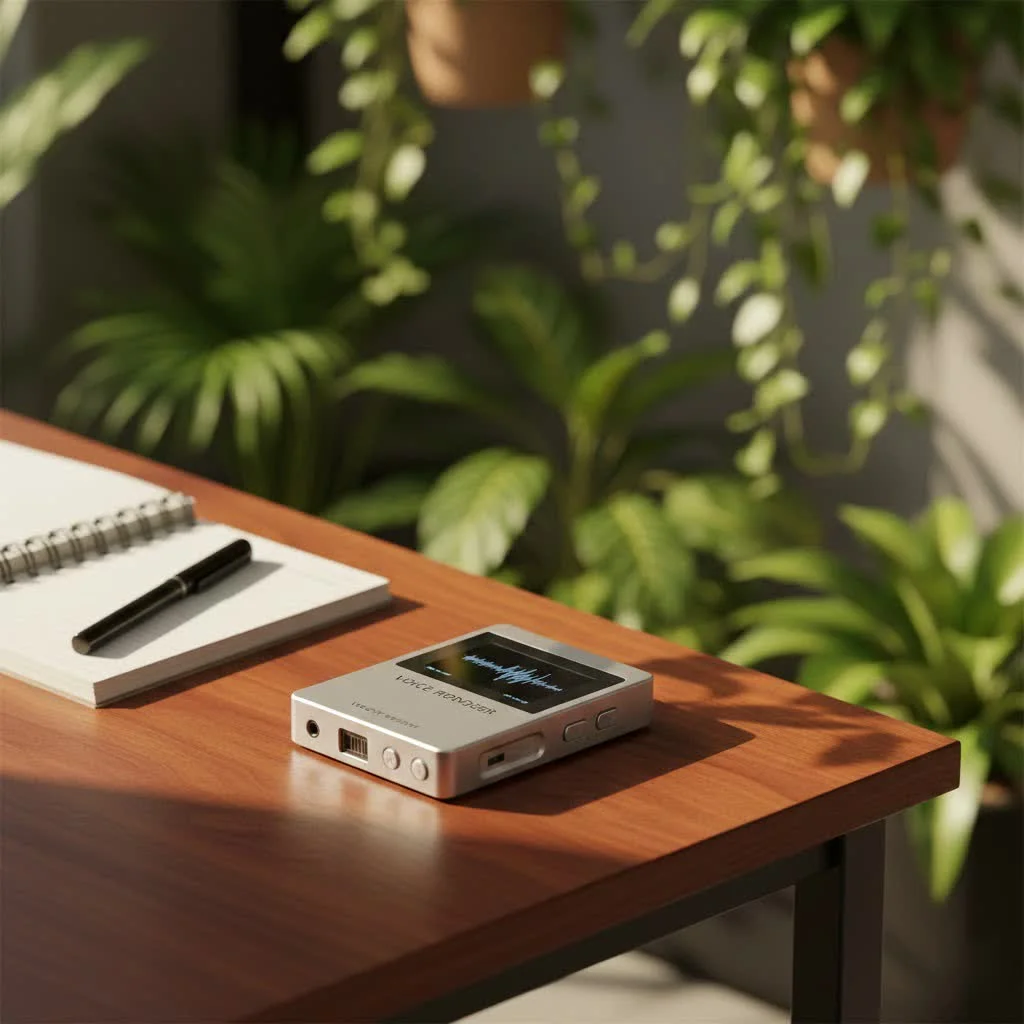
Many aspiring podcasters start by recording directly into their computers or even smartphones. While convenient, these methods often fall short in delivering the high-fidelity audio required for a truly professional podcast. A dedicated voice recorder for podcast provides unparalleled control over your sound, offering superior preamps that minimize unwanted noise and specialized features designed to capture crystal-clear vocals.
At Ukrbl, we believe that professional sound starts with professional gear. Digital recorders offer enhanced stability and reliability compared to recording on a computer or phone, ensuring that your valuable content is captured without glitches or compromises. This robust approach not only elevates your production quality but also frees you from technical worries, allowing you to focus on delivering compelling content.
Key Features to Look for in a Podcast Voice Recorder
Selecting the perfect voice recorder for podcast can seem daunting with the array of options available. However, focusing on a few core features will guide you to a device that meets your specific needs and budget.
Audio Quality is King
The foundation of any great podcast is impeccable audio. When evaluating voice recorders, pay close attention to specifications that directly impact sound fidelity.
- Sampling Rate and Bit Depth: For professional-grade podcasts, aim for at least a 48kHz sampling rate and 24-bit depth. Recording in uncompressed WAV files is crucial, as they retain more data than MP3s, offering greater flexibility during the editing process. Think of WAV files as the “RAW” images of audio—they provide the most detail to work with.
- 32-bit Float Recording: This is a game-changer, especially for podcasters who might worry about setting perfect gain levels. Recorders with 32-bit float technology can capture an incredibly wide dynamic range, effectively making it impossible to “clip” or distort your audio from being too loud, or lose quiet details in the noise floor. This means less stress during recording and more room for error correction in post-production.
- Preamps: The quality of a recorder’s preamps (pre-amplifiers) is paramount. Good preamps ensure a clean signal and minimize the “hiss” or electrical noise that can plague cheaper devices. As you invest more, you’ll notice a significant improvement in the silence of your recordings.
Input Flexibility
|
Our Picks for the Best Voice Recorder in 2026
As an Amazon Associate I earn from qualifying purchases.
|
||
| Num | Product | Action |
|---|---|---|
| 1 | 128GB Digital Voice Recorder for Lectures Meetings - EVIDA 9296 Hours Voice Activated Recording Device Audio Recorder with Playback,Password |

|
| 2 | Digital Voice Recorder 16GB Voice Recorder with Playback for Lectures - USB Rechargeable Dictaphone Upgraded Small Tape Recorder Device |
|
| 3 | AI Digital Voice Recorder 128GB: AI Transcribe & Summarize Voice Activated Recorder with Playback - OTG - Portable Tape Recorder for Meeting & Lectures |
|
| 4 | 132G (9800 Hour) Voice Activated Recorder - Elasound Voice Recorder with AI-Intelligent Triple Noise Reduction, Portable Audio Recorder for Work, Lectures, Meetings, 100H Continuous Recording Device |
|
| 5 | 64GB Digital Voice Recorder with Playback: Voice Activated Recorders for Lectures Meetings Interviews - EVISTR Dictaphone Recording Device Tape Recorder Portable Mini, Audio Recorder with USB, MP3 |
|
| 6 | Magnetic Voice Activated Recorder - (7000 Hours) Voice Recorder with DSP 5.0-AI Noise Cancellation - 64GB Portable Recording Device, Voice Recorder with Playback for Work, Meetings, Lectures |
|
| 7 | Digital Voice Recorder with Playback Recording Device with Screen & AI Noise Cancellation MP3 Player, 1600H Recording, Auto-Save for Meetings, Lectures, Interviews (128, GB) |
|
| 8 | soundcore Work by Anker, Portable Al Voice Recorder, AI Note Taker, Al Transcription & Summarization, 6-Month Pro at No Charge, Cross-Meeting Summary, MFi Certified, Privacy Protection, Black |
|
| 9 | 128GB Voice Recorder - ZIPCIDE Digital Voice Activated Recorder with Intelligent Noise Reduction, Professional Dictaphone Tape Recording Device with Playback for Lectures Meeting/Classes/Interview |
|
| 10 | Sony ICD-UX570 Digital Voice Recorder, ICDUX570BLK, usb |
|
Your recording setup—whether solo, with a co-host, or multiple guests—will dictate the type and number of inputs you need.
- XLR/TRS Combo Jacks: These are essential for connecting professional microphones, which typically use XLR cables. Phantom power (+48V) is also a must if you plan to use condenser microphones, which are often favored for their sensitive and detailed sound capture.
- Number of Inputs: If you record solo, one good input is sufficient. For interviews or co-hosted shows, two to four (or even more) independent inputs are critical, each allowing separate microphone connections for individual control and multi-track recording.
- 3.5mm Inputs: While less professional, some smaller recorders offer 3.5mm jacks for lavalier mics or other consumer-grade microphones, which can be useful for on-the-go recordings where portability is paramount.
Portability and Power
Podcasting isn’t always confined to a studio. If you plan to record interviews in the field or capture ambient sounds, portability is key.
- Battery Life: Long battery life is crucial for uninterrupted field recording sessions. Look for devices that offer extended operation on standard AA batteries or via USB power.
- Size and Build: A compact, rugged design ensures your recorder can withstand the rigors of travel and on-location use.
Monitoring Capabilities
What you hear is what you get. Effective monitoring is non-negotiable for quality control during recording.
- Headphone Outputs: Multiple headphone outputs with independent volume control are invaluable for multi-person podcasts, allowing each participant to monitor their own audio.
- Live Monitoring: The ability to listen to your audio in real-time through headphones ensures you can identify and correct any issues immediately, rather than discovering them in post-production.
Ease of Use and Connectivity
An intuitive interface makes the recording process smoother, especially for those who prefer to focus on content creation rather than technical wizardry.
- User-Friendliness: Look for clear displays, tactile buttons, and straightforward menu navigation. Some modern recorders even feature touchscreens and voice guidance for enhanced accessibility.
- USB Audio Interface Function: Many portable recorders can double as a USB audio interface, allowing you to connect your professional microphones directly to your computer for recording or live streaming.
- Storage: Most digital recorders rely on SD or SDHC cards for storage. Ensure the device supports cards with sufficient capacity for your recording needs.
Dedicated Podcast Features
Some advanced recorders are specifically designed for podcasters, offering features that streamline the production workflow.
- Mix-Minus: This feature is vital for recording remote guests or phone calls without annoying echoes or feedback, creating a clean signal for everyone involved.
- Sound Pads: Found on dedicated podcast production studios, sound pads allow you to trigger intro music, sound effects, or jingles on the fly during your recording, adding a professional touch to live sessions.
Top Voice Recorders for Podcasting: Our Expert Picks
Based on extensive testing and real-world application, here are some of our top recommendations for a voice recorder for podcast, catering to various needs and budgets:
Entry-Level & Budget-Friendly
For those just starting out or needing a reliable, simple device without breaking the bank, these options offer excellent audio quality for their price point.
- Zoom H1essential ($110): This pocket-sized recorder is an updated classic, offering 32-bit float recording in a lightweight, easy-to-use package. It’s perfect for beginners or capturing spontaneous ideas on the go, though it lacks XLR inputs.
- Tascam DR-05XP ($110): Bringing Tascam’s audio pedigree to the entry-level, the DR-05XP boasts 32-bit float capture and built-in stereo mics suitable for voices and general ambiance. Its straightforward layout makes it incredibly user-friendly.
- Zoom H1 XLR Handy Recorder ($150): An excellent step up, this model includes two XLR/TRS inputs with phantom power, allowing you to connect studio-quality microphones. It also features 32-bit float recording for clip-free audio.
Mid-Range Workhorses
These recorders strike a balance between advanced features, versatility, and cost, making them ideal for growing podcasts.
- Zoom H4essential ($220): A long-standing favorite, the H4essential delivers reliable, high-quality recordings with 32-bit float, combining onboard mics with two XLR inputs that provide phantom power. It can also serve as a USB audio interface.
- Zoom H5 ($250): A popular choice among podcasters, the H5 features interchangeable mic capsules (allowing for different mic types, like shotgun) and two XLR inputs with phantom power. It’s a superb all-rounder for both portable and studio setups.
Pro-Level & All-in-One Solutions
For serious podcasters, multi-person shows, or those seeking an integrated production hub, these devices offer comprehensive features.
- Zoom H6essential ($330): The bigger, more powerful sibling to the H5, the H6essential supports up to six individual tracks simultaneously, making it invaluable for larger casts. It also includes 32-bit float recording and USB-C connectivity.
- Tascam Portacapture X8 ($400): A high-end handheld recorder with a modern touchscreen interface, the X8 can record up to eight tracks simultaneously at 32-bit float and 192 kHz. It’s versatile for both field and studio work, appealing to various content creators.
- Zoom PodTrak P4 ($170): Purpose-built for podcasters, the P4 offers four XLR inputs, four individual headphone outputs with volume control, and sound pads. It even has mix-minus for seamless remote guest integration, all in a portable and affordable package.
- Rode Rodecaster Pro II ($595): This device is where a digital recorder meets a traditional mixer. Often called “the ultimate podcast studio in a box,” it features four XLR inputs, multi-track recording, sound pads, Bluetooth, and seamless remote call integration via a large color touchscreen.
- Mackie DLZ Creator ($800): Another all-in-one studio, the DLZ Creator emphasizes ease of use with a sizable touchscreen and “AutoMix” features to guide beginners while offering deep control for pros. It provides multiple mic inputs, headphone outputs, and advanced routing.
“Choosing a voice recorder for your podcast isn’t just about buying a gadget; it’s about investing in the clarity and impact of your message. The right tool enhances your production, allowing your authentic voice to shine through. Don’t compromise on audio quality; it’s the bedrock of listener engagement.” — Dr. Alistair Finch, Head Audio Engineer at Ukrbl Studios.
Voice Recorders vs. Software: When to Choose What?
The landscape of podcast recording offers both hardware voice recorder for podcast devices and software solutions. Understanding their strengths helps you decide which path, or combination, is best for you.
- Hardware Pros: Dedicated digital recorders are generally more stable and reliable, often boasting superior preamps for cleaner audio. They provide tactile controls and are highly portable for on-the-go recording. When internet connections are unreliable, local hardware recording is a lifesaver.
- Software Pros: Online recording platforms (like Riverside) and digital audio workstations (DAWs) like Audacity or GarageBand are often more cost-effective (with free tiers available) and integrate easily with computers for editing and remote guest recording. They offer flexibility for video podcasts and streamlined workflows for production. Riverside, for example, records separate audio and video tracks locally for each participant, then uploads them for editing and download, ensuring high quality even with internet fluctuations.
- Hybrid Approach: Many podcasters find success by combining the best of both worlds. They might use a dedicated hardware voice recorder for in-studio segments and interviews, then utilize software for remote guest recordings and post-production.
Ultimately, the choice depends on your specific podcasting workflow, budget, and the level of control you desire over your audio.
Setting Up Your Voice Recorder for Optimal Podcast Audio
Having the best voice recorder for podcast is only half the battle; knowing how to set it up and use it effectively ensures you get the most out of your investment.
- Microphone Choice: Pair your recorder with a quality microphone. Dynamic mics are robust and great for controlling room noise, while condenser mics offer detailed sound, ideal for treated spaces.
- Acoustics: Even the best recorder can’t fix a terrible room. Choose a quiet space with minimal echoes. Soft furnishings, carpets, and even blankets can help absorb sound reflections.
- Gain Staging: This is crucial. While 32-bit float recording greatly reduces the risk of clipping, it’s still good practice to set your input levels appropriately. Aim for your audio to peak around -12dB (decibels) to leave headroom for editing. Monitor your levels carefully using headphones.
- Monitoring: Always wear headphones during recording. This allows you to hear exactly what the recorder is capturing, helping you identify and resolve any issues like background noise, plosives, or sibilance in real-time.
- File Formats: Always record in WAV (or Broadcast Wave File – BWF) for the highest quality. Convert to MP3 only when exporting your final, edited podcast for distribution.
By paying attention to these details, you’ll ensure that your podcast audio is consistently clear, engaging, and professional.
Conclusion
The journey to producing a professional-sounding podcast starts with the right voice recorder for podcast. From understanding crucial features like 32-bit float recording and XLR inputs to selecting the perfect model that fits your budget and workflow, every decision contributes to the overall quality of your show. As your trusted audio experts at Ukrbl.com, we advocate for investing in dedicated recording gear to capture the clarity, depth, and reliability your content deserves. By prioritizing high-quality audio, you not only elevate your podcast but also forge a stronger connection with your listeners, ensuring your message resonates loud and clear. Explore the possibilities, empower your voice, and let “Ukrbl” guide you to podcasting excellence.
Get our weekly buyer guide
Practical specs, not advice. Unsubscribe anytime.