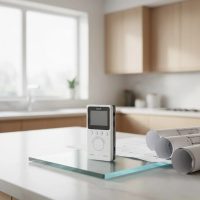
As someone who’s spent over 15 years knee-deep in the world of audio, I can tell you that a reliable voice recorder isn’t just a gadget; it’s a game-changer. From capturing crucial lecture notes to nailing that perfect interview or even preserving spontaneous musical ideas, a dedicated recorder voice recorder is an indispensable tool in today’s fast-paced, information-rich environment. Gone are the days of bulky analog tapes; we’re now in an era of sleek, powerful digital devices that fit in your pocket and deliver astonishing audio fidelity. But with so many options out there, how do you choose the right one, and more importantly, how do you use it to its full potential? Let’s dive in and unlock the secrets to truly mastering your recordings.
What Exactly is a Voice Recorder, Anyway?
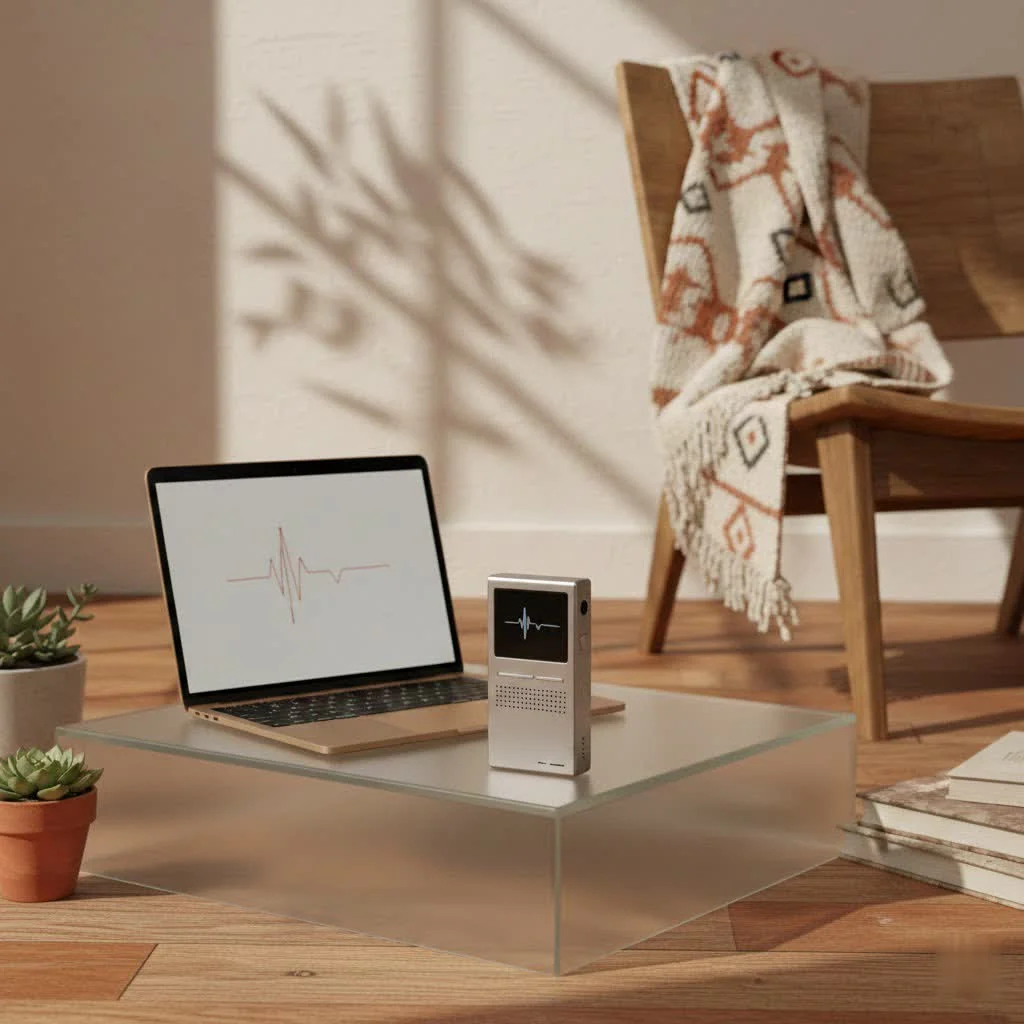
At its heart, a voice recorder is a device specifically designed to capture audio. While modern smartphones often boast recording capabilities, a dedicated recorder voice recorder takes audio capture to an entirely different level. These specialized gadgets come packed with superior microphones, advanced noise-reduction technologies, and much longer battery lives, making them far more reliable for critical recording tasks. Think of it this way: while your phone can take a photo, a professional camera produces stunning, detailed images that a phone simply can’t match. The same principle applies to dedicated audio recording.
Historically, we started with clunky tape recorders, but technology has propelled us into the digital age. Today’s digital voice recorders convert sound waves into digital data, storing them as files that can be easily transferred, edited, and archived. This evolution has made high-quality audio recording accessible to everyone, from students to seasoned journalists and legal professionals.
Unpacking the Power: Key Features of a Modern Voice Recorder
When you’re looking at a recorder voice recorder, it’s easy to get lost in the sea of specifications. But understanding the core features will empower you to make an informed decision and utilize your device effectively.
Audio Quality and File Formats: PCM, MP3, and WAV Unveiled
The quality of your recording largely depends on the file format and the underlying audio processing.
- PCM (Pulse Code Modulation): This is often referred to as “uncompressed” or “lossless” audio. It captures sound with the highest fidelity, retaining all the nuances of the original recording. If you’re a musician, podcaster, or require pristine audio for legal or broadcast purposes, a recorder voice recorder capable of PCM recording is non-negotiable.
- WAV (Waveform Audio File Format): Similar to PCM, WAV files are generally uncompressed and offer excellent quality. They are often used interchangeably with PCM for high-fidelity needs.
- MP3 (MPEG-1 Audio Layer III): This is a “compressed” format, meaning some audio data is removed to create smaller file sizes. While it’s highly convenient for sharing and takes up less storage, you do lose some of the original audio detail. For lectures, casual notes, or general dictation, MP3 is perfectly adequate and saves significant space on your voice recorder.
When considering audio quality, also look at the bit rate (measured in kbps) and sample rate (measured in kHz). Higher numbers generally mean better quality but also larger file sizes. For professional use, aim for at least 192kbps for MP3 or 44.1kHz/16-bit for PCM/WAV.
Microphone Matters: Built-in vs. External Options
|
Our Picks for the Best Voice Recorder in 2026
As an Amazon Associate I earn from qualifying purchases.
|
||
| Num | Product | Action |
|---|---|---|
| 1 | 128GB Voice Recorder - ZIPCIDE Digital Voice Activated Recorder with Intelligent Noise Reduction, Professional Dictaphone Tape Recording Device with Playback for Lectures Meeting/Classes/Interview |

|
| 2 | 132G (9800 Hour) Voice Activated Recorder - Elasound Voice Recorder with AI-Intelligent Triple Noise Reduction, Portable Audio Recorder for Work, Lectures, Meetings, 100H Continuous Recording Device |
|
| 3 | Digital Voice Recorder 16GB Voice Recorder with Playback for Lectures - USB Rechargeable Dictaphone Upgraded Small Tape Recorder Device |
|
| 4 | Sony ICD-UX570 Digital Voice Recorder, ICDUX570BLK, usb |
|
| 5 | soundcore Work by Anker, Portable Al Voice Recorder, AI Note Taker, Al Transcription & Summarization, 6-Month Pro at No Charge, Cross-Meeting Summary, MFi Certified, Privacy Protection, Black |
|
| 6 | 64GB Digital Voice Recorder with Playback: Voice Activated Recorders for Lectures Meetings Interviews - EVISTR Dictaphone Recording Device Tape Recorder Portable Mini, Audio Recorder with USB, MP3 |
|
| 7 | Magnetic Voice Activated Recorder - (7000 Hours) Voice Recorder with DSP 5.0-AI Noise Cancellation - 64GB Portable Recording Device, Voice Recorder with Playback for Work, Meetings, Lectures |
|
| 8 | 128GB Digital Voice Recorder for Lectures Meetings - EVIDA 9296 Hours Voice Activated Recording Device Audio Recorder with Playback,Password |
|
| 9 | Digital Voice Recorder with Playback Recording Device with Screen & AI Noise Cancellation MP3 Player, 1600H Recording, Auto-Save for Meetings, Lectures, Interviews (128, GB) |
|
| 10 | AI Digital Voice Recorder 128GB: AI Transcribe & Summarize Voice Activated Recorder with Playback - OTG - Portable Tape Recorder for Meeting & Lectures |
|
The microphone is the “ears” of your recorder voice recorder.
- Built-in Microphones: Most voice recorders come with internal mics, often in stereo configuration to capture a broader soundscape. Some high-end models feature multiple mics, allowing for adjustable directional recording.
- External Microphones: For truly professional results, an external microphone is often essential. Many quality voice recorder models include a 3.5mm jack for connecting external lavalier (lapel) mics for interviews, or shotgun mics for focused audio capture in noisy environments. As Dr. Evelyn Reed, a leading audio forensics expert, often states, “The best recorder in the world is only as good as its microphone. Investing in a quality external mic for specific tasks can elevate your recordings from good to forensic-grade.”
Battery Life and Storage Capacity
These two features are crucial, especially if you plan on long recording sessions.
- Battery Life: Look for a recorder voice recorder that offers at least 15-20 hours of continuous recording on a single charge or set of batteries. Some devices can last significantly longer, which is a huge advantage for all-day conferences or extended fieldwork.
- Storage Capacity: This determines how many hours of audio you can store. Many voice recorders come with built-in memory (e.g., 4GB, 8GB, 16GB) and often include a microSD card slot for expandable storage. If you plan to record in high-quality PCM format, you’ll need ample storage.
Noise Reduction and Voice-Activated Recording (VOR)
These features can significantly enhance the usability and clarity of your recordings.
- Noise Reduction: Modern voice recorder devices often include digital filters to reduce unwanted background noise like hums, air conditioning, or distant chatter. This can make a huge difference in the clarity of speech.
- Voice-Activated Recording (VOR): Also known as Sound-Activated Recording (SAR), this feature means the recorder only starts recording when it detects sound and pauses when there’s silence. It’s fantastic for saving battery life and storage space, and for cutting down on silent gaps during dictation or long meetings.
Connectivity and Transfer Options: Getting Your Recordings Off the Device
What good is a recording if you can’t easily access it?
- USB Connectivity: Most recorder voice recorder units connect via USB to your computer for easy file transfer, much like a USB drive.
- Bluetooth and Wi-Fi: Higher-end models may offer wireless connectivity for transferring files to smartphones, tablets, or cloud services, adding a layer of convenience and flexibility.
Advanced Features: Playback Speed, Index Marks, PC Sync
Many voice recorders offer additional functionalities that improve workflow and ease of use:
- Playback Speed Control: Great for reviewing long lectures or transcribing interviews.
- Index Marks: Allows you to insert markers during recording or playback to easily jump to important sections.
- PC Synchronization: Software that helps manage, organize, and even transcribe your recordings on your computer.
Choosing Your Perfect Companion: A Voice Recorder for Every Need
Just like you wouldn’t use a screwdriver to hammer a nail, you wouldn’t choose the same recorder voice recorder for every task. Matching the device to your specific needs is key.
For Students and Lecturers: Clarity in the Classroom
If you’re primarily recording lectures or study groups, your priorities are clear. You need a voice recorder with:
- Long Battery Life: To get you through a full day of classes.
- Good Microphone Range: To pick up the lecturer’s voice clearly, even from the back of the room.
- Simple Controls: You don’t want to fumble with complex settings mid-lecture.
- Ample Storage: For weeks or months of class material.
- Noise Reduction: To minimize classroom distractions.
For Professionals: Interviews, Meetings, and Dictation
Business professionals, journalists, and legal practitioners require a more robust recorder voice recorder that can handle diverse environments and critical information. Look for:
- Multiple Microphone Modes: To switch between interview mode, conference mode, or dictation.
- High-Quality PCM/WAV Recording: For absolute clarity and legal defensibility.
- Advanced Noise Cancellation: To ensure voices cut through background office chatter.
- Quick File Transfer and Organization: Features like index marks and PC sync are invaluable.
- Durability: A device that can withstand daily use.
For Musicians and Podcasters: High-Fidelity Audio Capture
This is where audio quality becomes paramount. Musicians recording rehearsals, songwriters capturing ideas, or podcasters seeking professional sound need a specialized voice recorder.
- Studio-Grade Microphones: Often with XLR inputs for external professional microphones.
- Uncompressed Formats (PCM/WAV): Essential for post-production and editing.
- Manual Level Control: To precisely adjust recording input levels and prevent clipping.
- Line-In/Line-Out Jacks: For connecting to mixers or other audio equipment.
- Multi-Track Recording: Some advanced portable recorders offer the ability to record multiple sources simultaneously.
For Everyday Use: Convenience and Simplicity
Sometimes, you just need to quickly record a memo, a grocery list, or a fleeting thought. For general personal use, a recorder voice recorder that is:
- Pocket-Sized and Portable: Easy to carry everywhere.
- Extremely Easy to Use: One-touch recording is a huge plus.
- Decent Audio Quality: Good enough for personal notes.
- Affordable: You don’t need to break the bank for basic functionality.
Getting Started: How to Use Your Voice Recorder Like a Pro
Having the right recorder voice recorder is only half the battle. Knowing how to use it effectively makes all the difference.
Initial Setup: Time, Date, and Basic Settings
Before your first crucial recording, take a few minutes to set up your device.
- Set the Date and Time: This is vital for organizing and identifying your recordings later.
- Choose Your Recording Mode/Quality: Decide whether you need high-fidelity PCM or space-saving MP3.
- Adjust Microphone Sensitivity: Experiment with this based on your environment. In a quiet room, higher sensitivity might be fine; in a noisy one, you might want to lower it to avoid picking up too much background sound.
Optimal Recording Techniques: Placement and Environment
Where you place your voice recorder and the environment you’re in significantly impact sound quality.
- Proximity: The closer the microphone is to the sound source, the clearer the recording will be, and the less background noise it will capture. For interviews, place the recorder equidistant from all speakers if possible. For lectures, place it near the speaker if allowed, or as close to the front as you can.
- Reduce Background Noise: Turn off fans, air conditioners, and close windows if external noise is an issue. Silence your phone and ask others to do the same. Even soft furnishings can absorb sound and improve acoustics.
- Avoid Obstructions: Don’t cover the microphone with your hand, a notebook, or clothing. This is a common mistake that severely muffles audio.
Managing Your Recordings: Organizing, Editing, and Archiving
Once you’ve captured your audio, the work isn’t over.
- Transfer Regularly: Don’t let your recorder voice recorder become a data graveyard. Transfer recordings to your computer or cloud storage regularly.
- Organize with Purpose: Create a clear folder structure (e.g., “Lectures/History_Fall2025,” “Interviews/ProjectX_Date”). Rename files descriptively (e.g., “History_Lecture_10-22-2025_Intro_to_WWII.mp3”).
- Editing Software: For more complex needs, free software like Audacity or paid options like Adobe Audition can help you trim, enhance, and clean up your recordings. Even basic editing can dramatically improve the listener’s experience.
Voice Recorder vs. Smartphone: When a Dedicated Device Shines
While your smartphone is a convenient tool, it simply can’t replace a dedicated recorder voice recorder for serious audio tasks. Here’s a quick comparison:
| Feature | Dedicated Voice Recorder | Smartphone Recording App |
|---|---|---|
| Audio Quality | Superior microphones, advanced DSP, higher bit rates. | Limited mic quality, prone to background noise. |
| Battery Life | Days of recording on a single charge. | Drains phone battery rapidly, unreliable for long sessions. |
| Features | VOR, noise reduction, external mic input, index marks. | Basic features, often lacks advanced audio controls. |
| Ease of Use | Ergonomic, physical buttons, often one-touch recording. | Relies on touch screen, can be cumbersome during critical moments. |
| Reliability | Designed for one purpose, less prone to interruptions. | Susceptible to calls, notifications, app crashes. |
| Privacy | Secure, offline recording. | Potential privacy concerns with app permissions. |
As veteran sound technician Marcus “Mick” Sterling puts it, “For anything beyond a quick personal note, trusting your phone is like bringing a spoon to a knife fight. A proper recorder voice recorder is built for the job, plain and simple.”
FAQs About Voice Recorders
Q: How do I improve the recording quality of my voice recorder?
A: To improve quality, use an external microphone if possible, record in a quiet environment, place the voice recorder close to the sound source, and enable noise reduction features. Using higher quality settings like PCM or WAV also makes a significant difference.
Q: Can I use an external microphone with my voice recorder?
A: Many dedicated recorder voice recorder models include a 3.5mm input jack for external microphones. This allows you to connect lavalier mics, shotgun mics, or other professional-grade microphones for enhanced audio quality and targeted sound capture.
Q: What’s the difference between WAV and MP3 on a voice recorder?
A: WAV files are uncompressed, offering the highest audio fidelity but taking up more storage space. MP3 files are compressed, resulting in smaller file sizes but with some loss of audio data. Choose WAV/PCM for critical, high-quality recordings and MP3 for general use where storage is a concern.
Q: How long can a voice recorder record on a single charge?
A: Battery life varies significantly between models, but many modern voice recorder units can offer anywhere from 15 to over 50 hours of continuous recording on a single charge or a fresh set of batteries. Always check the manufacturer’s specifications.
Q: Are voice recorders difficult to use for beginners?
A: Not at all! Most modern recorder voice recorder devices are designed with user-friendliness in mind, often featuring one-touch recording and intuitive menus. While advanced features exist, basic operation is typically straightforward, making them accessible even for first-time users.
Q: How do I transfer files from my voice recorder to a computer?
A: Most voice recorder devices connect to a computer via a USB cable, appearing as a removable drive. You can then simply drag and drop your audio files from the recorder’s folder to your computer. Some models also offer wireless transfer options like Bluetooth or Wi-Fi.
Final Thoughts on Your Voice Recorder Journey
Embracing the power of a dedicated voice recorder is a journey into clearer communication, better organization, and superior audio capture. Whether you’re a student aiming for academic excellence, a professional needing to document every detail, or a creative mind preserving fleeting inspirations, the right recorder voice recorder can be your most trusted ally.
Don’t just hit record; understand your device, optimize your technique, and unlock its full potential. Experiment with settings, try different placements, and get comfortable with managing your files. You’ll be amazed at the difference a little knowledge and a great recorder voice recorder can make in the quality and utility of your audio recordings. Now go forth, capture your world, and let your voice be heard—crystal clear!
Get our weekly buyer guide
Practical specs, not advice. Unsubscribe anytime.