In an increasingly complex world, the need for discreet and reliable audio capture has never been more relevant. Whether you’re aiming to safeguard personal security, gather crucial evidence, or simply ensure you don’t miss important details, a secret voice recorder can be an invaluable tool. These ingenious devices are designed to blend seamlessly into everyday objects, allowing you to capture conversations and sounds with utmost discretion. But what exactly are they, how do they work, and most importantly, how can you choose and use one responsibly and effectively? This guide will dive deep into the world of covert audio, empowering you with the knowledge to make informed decisions and capture clarity when it matters most.
What Exactly is a Secret Voice Recorder?
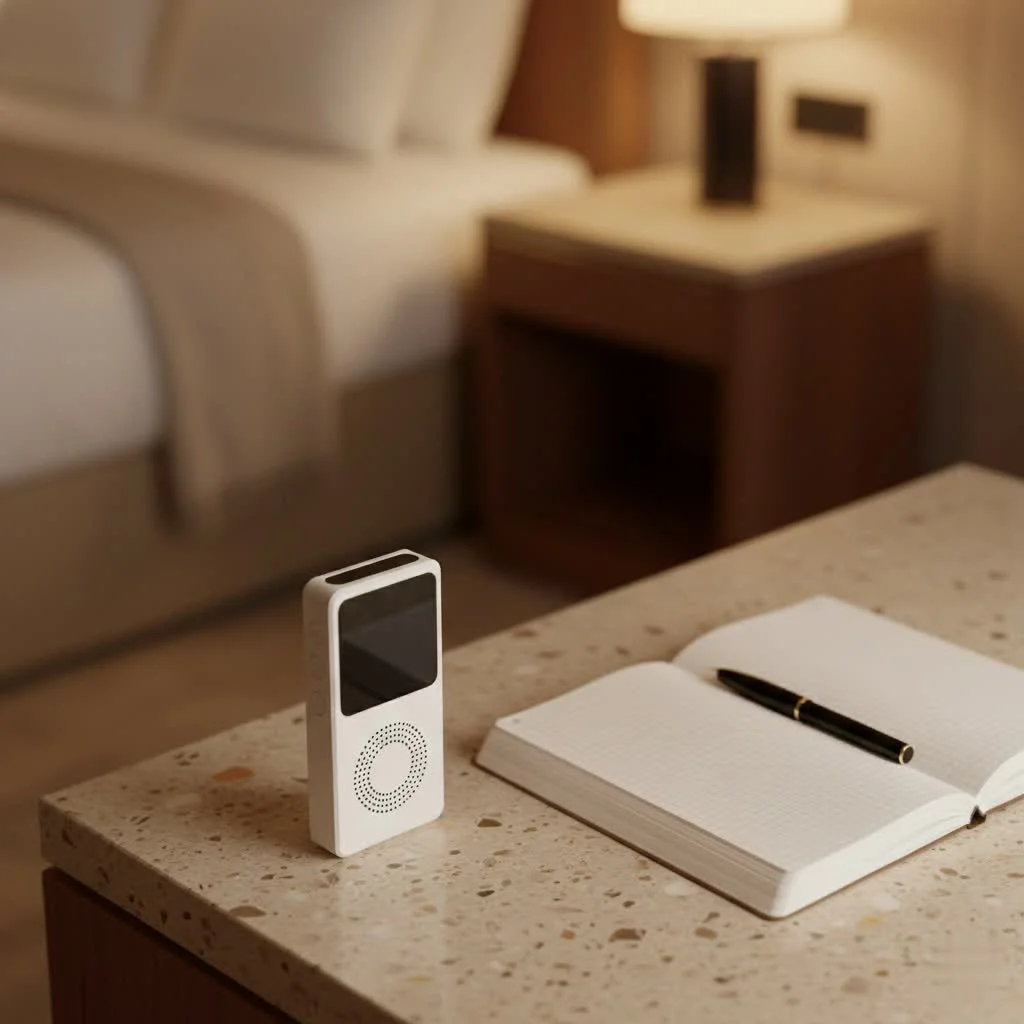
At its core, a secret voice recorder is an audio recording device engineered for covert operation. Unlike a standard voice recorder that openly signals its function, these gadgets are designed to be inconspicuous, often disguised as common items or made exceptionally small to escape detection. Their primary purpose is to capture audio without the knowledge or consent of those being recorded, making discretion their most defining characteristic. From tiny chips embedded in familiar objects to miniature standalone units, the evolution of these devices has been driven by the need for stealth and technological advancement, offering sophisticated capabilities in remarkably compact forms.
Why Might You Need a Secret Voice Recorder?
The reasons for seeking a secret voice recorder are as varied as the devices themselves, often stemming from situations where overt recording simply isn’t an option.
- Personal Safety and Security: For individuals concerned about personal safety, a hidden recorder can act as a silent guardian, capturing evidence in uncomfortable or threatening situations.
- Gathering Evidence: In legal, professional, or personal disputes, a discreet recording can provide verifiable proof of conversations, agreements, or misconduct. This is particularly relevant in cases involving harassment, bullying, or contractual disagreements.
- Discreet Note-Taking: Journalists, students, or professionals may use these devices to record interviews, lectures, or meetings without causing distraction or apprehension, ensuring every detail is accurately preserved for later review.
- Monitoring Loved Ones: In situations concerning the welfare of children or elderly family members, a secret voice recorder might be used to monitor caregivers or ensure a safe environment, offering peace of mind.
- Investigative Purposes: Private investigators and law enforcement (within legal bounds) rely on covert recorders to collect critical information in sensitive investigations.
Key Features to Look for in a Top-Tier Secret Voice Recorder
Choosing the right secret voice recorder involves understanding the features that truly matter for discreet and effective audio capture. It’s not just about size; it’s about a combination of attributes that ensure reliability and quality.
Disguise and Form Factor: The Art of Blending In
|
Our Picks for the Best Voice Recorder in 2026
As an Amazon Associate I earn from qualifying purchases.
|
||
| Num | Product | Action |
|---|---|---|
| 1 | soundcore Work by Anker, Portable Al Voice Recorder, AI Note Taker, Al Transcription & Summarization, 6-Month Pro at No Charge, Cross-Meeting Summary, MFi Certified, Privacy Protection, Black |

|
| 2 | AI Digital Voice Recorder 128GB: AI Transcribe & Summarize Voice Activated Recorder with Playback - OTG - Portable Tape Recorder for Meeting & Lectures |
|
| 3 | 128GB Digital Voice Recorder for Lectures Meetings - EVIDA 9296 Hours Voice Activated Recording Device Audio Recorder with Playback,Password |
|
| 4 | Sony ICD-UX570 Digital Voice Recorder, ICDUX570BLK, usb |
|
| 5 | 128GB Voice Recorder - ZIPCIDE Digital Voice Activated Recorder with Intelligent Noise Reduction, Professional Dictaphone Tape Recording Device with Playback for Lectures Meeting/Classes/Interview |
|
| 6 | 64GB Digital Voice Recorder with Playback: Voice Activated Recorders for Lectures Meetings Interviews - EVISTR Dictaphone Recording Device Tape Recorder Portable Mini, Audio Recorder with USB, MP3 |
|
| 7 | Digital Voice Recorder with Playback Recording Device with Screen & AI Noise Cancellation MP3 Player, 1600H Recording, Auto-Save for Meetings, Lectures, Interviews (128, GB) |
|
| 8 | 132G (9800 Hour) Voice Activated Recorder - Elasound Voice Recorder with AI-Intelligent Triple Noise Reduction, Portable Audio Recorder for Work, Lectures, Meetings, 100H Continuous Recording Device |
|
| 9 | Magnetic Voice Activated Recorder - (7000 Hours) Voice Recorder with DSP 5.0-AI Noise Cancellation - 64GB Portable Recording Device, Voice Recorder with Playback for Work, Meetings, Lectures |
|
| 10 | Digital Voice Recorder 16GB Voice Recorder with Playback for Lectures - USB Rechargeable Dictaphone Upgraded Small Tape Recorder Device |
|
The effectiveness of a secret voice recorder often hinges on its ability to go unnoticed. Modern covert devices come cleverly disguised as everyday objects. Think about a pen that writes perfectly but also records clear audio, a USB flash drive that functions as storage while silently capturing conversations, or even a power bank that can charge your phone and record for days. The best designs mimic common items so convincingly that they attract no suspicion, even under close scrutiny. Miniature standalone recorders, sometimes as small as a coin, offer extreme portability and can be tucked away almost anywhere.
Audio Quality: Hearing Every Whisper
What’s the point of a secret recording if the audio is garbled or indistinct? High-quality audio is paramount. Look for devices equipped with sensitive microphones and advanced noise-reduction technology. This ensures that voices are clear and background noise is minimized, making your recordings intelligible and useful. Some premium models even offer professional-grade clarity, capturing nuances that cheaper alternatives might miss.
Battery Life: Powering Your Discretion
Long battery life is absolutely critical for a secret voice recorder. Covert operations often require extended recording times without the opportunity to recharge. Imagine needing to record a multi-hour meeting or leave a device to capture interactions over an entire day or even several days. Modern devices can offer impressive battery longevity, some boasting hundreds of hours of continuous recording or many weeks on standby with voice activation.
Storage Capacity: Room for Every Word
Hand-in-hand with battery life is storage capacity. A good secret voice recorder needs enough memory to hold all your important audio files. Devices typically come with built-in flash memory, ranging from a few gigabytes to 64GB or more, capable of storing hundreds or even thousands of hours of audio, depending on the recording quality settings. The ability to easily transfer these files to a computer for archiving or analysis is also a must.
Voice Activation (VOR): Smart Recording
Voice-activated recording (VOR) is a game-changer for covert devices. Instead of recording continuously, a VOR-enabled secret voice recorder only activates when it detects sound above a certain threshold and pauses when silence returns. This feature not only conserves battery life and storage space but also saves you countless hours sifting through silent periods, making your review process much more efficient.
Ease of Use and Connectivity
A secret voice recorder should be straightforward to operate, often with one-touch recording functionality to ensure you can activate it quickly and discreetly. When it comes to accessing your recordings, USB connectivity is standard, allowing for easy transfer to a PC or Mac. Some advanced wireless models might offer Bluetooth or Wi-Fi connectivity, enabling remote access, live streaming, or app control, adding another layer of convenience and stealth.
Understanding Different Types of Discreet Recording Devices
The market for secret voice recorders is diverse, offering a variety of form factors to suit different scenarios and preferences.
- Pen Recorders: These are among the most classic and popular choices. A recording pen looks and functions like a regular writing instrument, making it incredibly easy to carry in a pocket, attach to a notebook, or leave on a desk without suspicion. Many feature voice activation and decent battery life.
- USB Drive Recorders: Designed to resemble a common USB flash drive, these devices are highly portable and can be plugged into a computer for charging and data transfer, further enhancing their disguise. They are often voice-activated and very small.
- Power Bank Recorders: Leveraging the widespread use of portable chargers, these devices hide a powerful recorder within a fully functional power bank. They boast exceptionally long battery life, making them ideal for extended surveillance or situations where you need to leave a device in place for a long time.
- Button or Pin Recorders: For extreme stealth, these miniature recorders can be disguised as a button, a badge, or even a lapel pin. Their tiny size makes them almost undetectable, perfect for body-worn covert operations.
- Keychain Recorders: Blending in with car keys or other daily carry items, keychain recorders are another effective form of disguise. They are easy to have on hand and can be quickly activated.
The Legal Landscape of Secret Recording: What You Need to Know
While the technology behind secret voice recorders is impressive, the legal and ethical considerations surrounding their use are paramount. It’s crucial to understand that laws regarding audio recording vary significantly by location. Ignorance of the law is no defense, and improper use can lead to severe legal consequences, including criminal charges and civil lawsuits.
In the United States, federal law (the Federal Wiretap Act and the Electronic Communications Privacy Act – ECPA) generally operates under a “one-party consent” rule. This means you can record a conversation if you are a participant in it, or if one of the participants has given consent. However, individual states have their own, often stricter, laws.
One-Party Consent vs. All-Party Consent States/Regions
- One-Party Consent States: In these states, as long as you are part of the conversation or have permission from at least one person involved, you can legally record it. Most U.S. states fall into this category.
- All-Party (or Two-Party) Consent States: These states require everyone involved in the conversation to give their permission before it can be legally recorded. This applies to both in-person and telephone conversations. States like California, Florida, Illinois, Maryland, Massachusetts, Michigan, Montana, Nevada, New Hampshire, Oregon, Pennsylvania, and Washington are typically considered all-party consent states. Some states, like Connecticut, have mixed consent laws depending on the context.
Beyond the U.S., international laws differ even more widely. Many countries have strict all-party consent laws, and some prohibit any form of covert recording outright.
Ethical Considerations: Beyond Legality
Even when a recording is legally permissible, ethical questions remain. Is it fair? Is it an invasion of privacy? These are personal decisions, but it’s important to weigh the potential benefits against the impact on trust and relationships. Using a secret voice recorder should always be a considered act, used responsibly and only when necessary.
“Understanding the legal nuances of recording is not just a suggestion, it’s a fundamental responsibility,” advises Dr. Eleanor Vance, a recognized expert in digital privacy and surveillance ethics. “The power of discreet recording comes with a significant obligation to respect individual rights and adhere strictly to jurisdictional laws. Always err on the side of caution and consult legal counsel if there’s any doubt.”
Tips for Responsible and Effective Discreet Recording
- Always Verify Local Laws: Before using any secret voice recorder, research and confirm the specific recording laws in your state, country, and even the particular context (e.g., public vs. private spaces, phone calls).
- Consider Ethical Implications: Think about the impact of your actions on others and whether discreet recording is truly justified.
- Practice Discretion: Even with a cleverly disguised device, avoid drawing attention to yourself. Subtlety is key to covert recording.
- Protect Your Recordings: Once captured, ensure your audio files are stored securely and only accessed by authorized individuals, especially if they contain sensitive information.
- Seek Legal Counsel: If you intend to use a recording as evidence in a legal proceeding, always consult with a legal professional beforehand to ensure its admissibility and to avoid any legal missteps.
How to Choose the Best Secret Voice Recorder for Your Needs
Selecting the ideal secret voice recorder boils down to a few critical considerations tailored to your specific situation.
- Identify Your Purpose: What exactly do you need to record, and why? This will dictate the necessary features. For long meetings, battery life and storage are key. For personal security, quick activation and a robust disguise are vital.
- Prioritize Features: Based on your purpose, rank the features discussed above (disguise, audio quality, battery life, storage, VOR, ease of use). If you need to record over several days, a power bank recorder might be best. For short, on-the-go recordings, a pen or USB recorder could be perfect.
- Set a Budget: The price range for secret voice recorders varies widely. High-end models offer superior audio quality and advanced features, while more affordable options provide basic functionality. Determine what you can reasonably spend without compromising on essential features.
- Read Reviews and Research: Look for independent reviews and comparisons. Real-world feedback can offer insights into a device’s actual performance, durability, and user experience.
Maintaining Your Secret Voice Recorder for Optimal Performance
To ensure your secret voice recorder is always ready when you need it, a little maintenance goes a long way.
- Regular Charging: Keep the battery topped up, especially before critical recording sessions.
- Data Management: Regularly transfer and back up your recordings to a computer or cloud storage. This frees up device memory and protects your important files.
- Software Updates: If your device has companion software or firmware, ensure it’s up to date for optimal performance and security.
- Physical Care: Keep the device clean, dry, and protected from extreme temperatures or physical damage. Treat it like the sensitive piece of technology it is.
Frequently Asked Questions (FAQ)
How small can a secret voice recorder be?
Modern secret voice recorders can be incredibly tiny, often as small as a button, a coin, or even embedded imperceptibly within everyday items like pens, keychains, or USB drives. Their miniature size is a key aspect of their discreet design.
Do secret voice recorders need Wi-Fi?
Most basic secret voice recorders do not require Wi-Fi. They record audio to internal memory and are later connected to a computer via USB to transfer files. Some advanced models, however, do offer Wi-Fi or Bluetooth connectivity for remote monitoring or easier file transfer.
How long can a secret voice recorder record?
Recording time varies significantly depending on the device’s battery life, storage capacity, and audio quality settings. Some can record continuously for 20-30 hours, while devices disguised as power banks or those with voice activation can offer hundreds of hours of recording or weeks of standby time.
Are secret voice recorders legal everywhere?
No, the legality of using a secret voice recorder varies widely. Federal laws in the U.S. generally require one-party consent, but many U.S. states and countries globally require all parties to consent to a recording. Always check the specific laws in your jurisdiction before use.
Can a secret voice recorder be detected?
While designed for discretion, secret voice recorders can sometimes be detected. Methods include thorough visual inspections for out-of-place objects, using RF (radio frequency) detectors for wireless devices, or listening for subtle electronic interference with other audio devices.
What’s the best secret voice recorder for personal security?
The “best” for personal security depends on the situation, but generally, one that offers quick, one-touch activation, reliable voice activation, long battery life, clear audio quality, and a highly discreet, easily carried form factor (like a pen, USB drive, or keychain) is ideal.
Conclusion
The world of secret voice recorders offers powerful tools for discreet audio capture, whether for personal security, evidence collection, or simply to ensure you capture every important detail. From cleverly disguised pens to long-lasting power bank units, these devices have evolved to provide advanced features in incredibly compact forms. However, the technology is only one part of the equation. Responsible use, a thorough understanding of the legal landscape, and a commitment to ethical considerations are just as vital. By choosing the right secret voice recorder for your needs and using it wisely, you can gain a significant advantage, bringing clarity and confidence to situations where discretion is paramount.
Get our weekly buyer guide
Practical specs, not advice. Unsubscribe anytime.