A live voice recorder is a device or application that captures audio in real-time, providing immediate access and often integrating advanced features like instant transcription, live noise reduction, and cloud synchronization. These tools are essential for instantly preserving thoughts, conversations, and creative ideas, offering significant benefits for professionals, creatives, and everyday users. For example, apps like Otter.ai provide real-time transcription, converting spoken words into text as they are uttered, which is a major upgrade for immediate documentation.
What Exactly is a Live Voice Recorder?
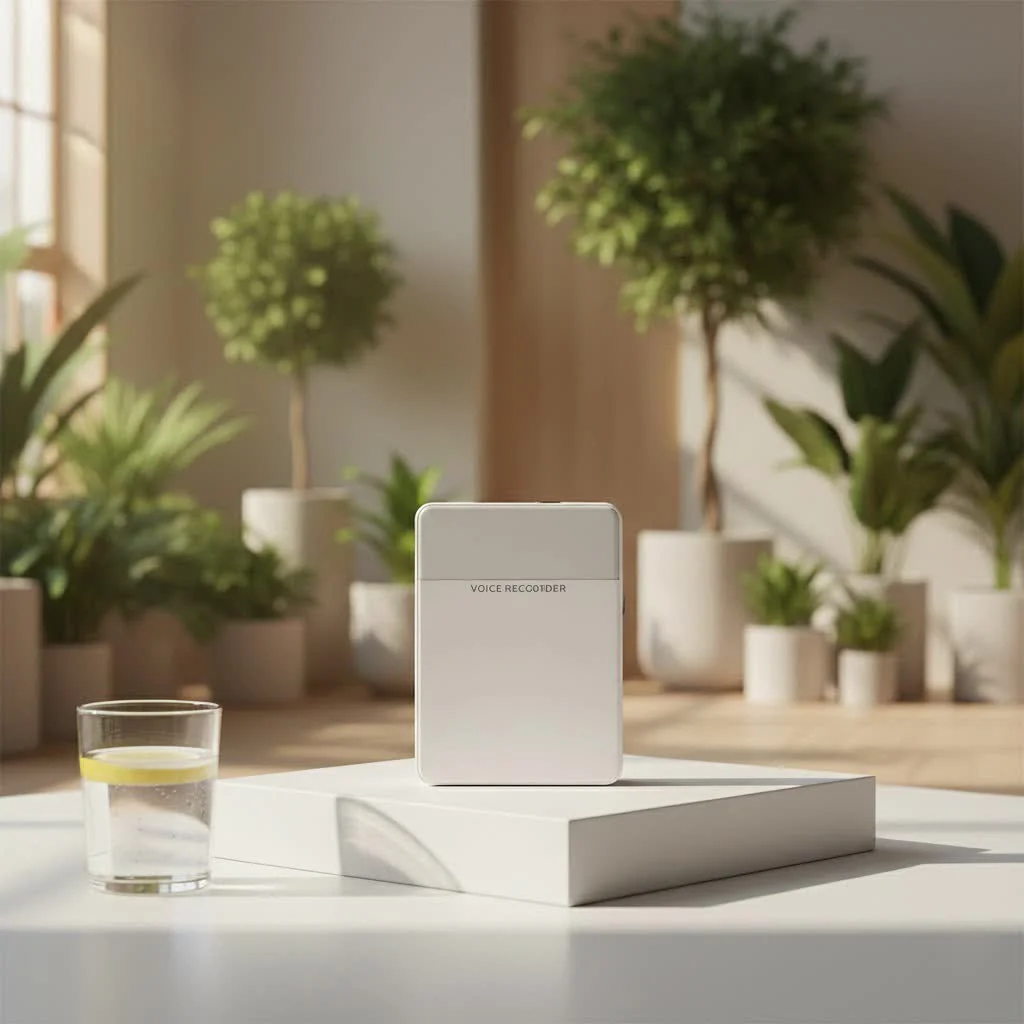
At its core, a live voice recorder is a device or application designed to capture audio as it occurs, providing immediate access to the sound without significant delay. While nearly all voice recorders capture audio, the “live” aspect emphasizes the real-time processing and immediate utility of the recording. Think of it as your personal audio assistant, ready to spring into action and document anything from an impromptu brainstorming session to a crucial interview.
Beyond Simple Recording: Real-time Benefits
What sets a true live voice recorder apart are the features that leverage real-time capabilities. Many modern solutions offer instant transcription, converting spoken words into text as they are uttered. This is a major upgrade for anyone needing immediate documentation, whether for meeting minutes, interview summaries, or quick notes. Others boast real-time noise reduction, cleaning up your audio as you speak, ensuring that even in less-than-ideal environments, your voice comes through clear and strong. The ability to tag, bookmark, or even sync to the cloud live makes the captured audio immediately useful and accessible.
Devices vs. Apps: Understanding Your Options
When it comes to live voice recording, you have a spectrum of choices. Dedicated digital voice recorders offer superior sound quality, longer battery life, and often more robust built-in microphones. However, the convenience of mobile applications on your smartphone is undeniable. Apps like Riverside, Otter.ai, and Rev offer powerful live recording capabilities directly from your pocket, complete with AI transcription, cloud backup, and editing features. For desktop users, software like Audacity provides comprehensive recording and editing tools, often paired with high-quality USB microphones.
Why You Need a Live Voice Recorder in Your Life
The utility of a live voice recorder extends across countless scenarios, making it an indispensable tool for a diverse range of users. From boosting productivity to fostering creativity, the benefits are clear.
For Professionals: Meetings, Interviews, and Lectures
Imagine never missing a crucial detail in a client meeting or a university lecture. A live voice recorder ensures that every word is captured accurately, freeing you to fully engage in the discussion rather than frantically scribbling notes. For journalists, it’s about preserving the integrity of an interview, ensuring quotes are exact and information is precise. “In my experience, relying solely on memory during a fast-paced interview is a recipe for disaster,” says Anya Petrova, Ukrbl’s lead audio specialist. “A good live recorder is your second brain, ensuring factual accuracy and allowing you to focus on asking the right questions.” Some apps even offer speaker identification, making post-recording organization a breeze.
For Creatives: Capturing Ideas and Music on the Fly
|
Our Picks for the Best Voice Recorder in 2026
As an Amazon Associate I earn from qualifying purchases.
|
||
| Num | Product | Action |
|---|---|---|
| 1 | Digital Voice Recorder 16GB Voice Recorder with Playback for Lectures - USB Rechargeable Dictaphone Upgraded Small Tape Recorder Device |

|
| 2 | Digital Voice Recorder with Playback Recording Device with Screen & AI Noise Cancellation MP3 Player, 1600H Recording, Auto-Save for Meetings, Lectures, Interviews (128, GB) |
|
| 3 | 128GB Voice Recorder - ZIPCIDE Digital Voice Activated Recorder with Intelligent Noise Reduction, Professional Dictaphone Tape Recording Device with Playback for Lectures Meeting/Classes/Interview |
|
| 4 | 132G (9800 Hour) Voice Activated Recorder - Elasound Voice Recorder with AI-Intelligent Triple Noise Reduction, Portable Audio Recorder for Work, Lectures, Meetings, 100H Continuous Recording Device |
|
| 5 | Magnetic Voice Activated Recorder - (7000 Hours) Voice Recorder with DSP 5.0-AI Noise Cancellation - 64GB Portable Recording Device, Voice Recorder with Playback for Work, Meetings, Lectures |
|
| 6 | Sony ICD-UX570 Digital Voice Recorder, ICDUX570BLK, usb |
|
| 7 | 128GB Digital Voice Recorder for Lectures Meetings - EVIDA 9296 Hours Voice Activated Recording Device Audio Recorder with Playback,Password |
|
| 8 | 64GB Digital Voice Recorder with Playback: Voice Activated Recorders for Lectures Meetings Interviews - EVISTR Dictaphone Recording Device Tape Recorder Portable Mini, Audio Recorder with USB, MP3 |
|
| 9 | AI Digital Voice Recorder 128GB: AI Transcribe & Summarize Voice Activated Recorder with Playback - OTG - Portable Tape Recorder for Meeting & Lectures |
|
| 10 | soundcore Work by Anker, Portable Al Voice Recorder, AI Note Taker, Al Transcription & Summarization, 6-Month Pro at No Charge, Cross-Meeting Summary, MFi Certified, Privacy Protection, Black |
|
Creativity often strikes at the most unexpected moments. A sudden melody, a brilliant plot twist, or a compelling lyric can be lost forever if not captured instantly. A live voice recorder acts as a digital sketchpad for your audio ideas. Musicians can quickly lay down vocal melodies or guitar riffs, podcasters can capture spontaneous insights, and writers can dictate notes before inspiration fades. Apps like Dolby On are specifically designed to record studio-quality sound, even with a phone, featuring advanced audio processing and noise reduction that can be a lifesaver for raw musical ideas.
For Everyday Use: Personal Notes and Reminders
Beyond professional and creative pursuits, a live voice recorder is incredibly handy for daily life. Need to a grocery list while driving? Want to quickly jot down a thought without typing? Voice journaling, as offered by apps like CocoonWeaver, provides a seamless way to record personal reflections and dreams, often with hands-free operation. It’s about making your life simpler and ensuring no important thought or task slips through the cracks.
Key Features to Look for in a Live Voice Recorder
Choosing the right live voice recorder can feel overwhelming with the many options available. To simplify your decision, here are the essential features to prioritize:
Audio Quality and Microphone Sensitivity
The foundation of any good recording is audio quality. Look for devices or apps that offer high sample rates (44.1 kHz or 48 kHz) and bit depths (at least 16-bit). For professional use, lossless formats like WAV are ideal, while MP3 or AAC are perfectly fine for everyday sharing due to their smaller file sizes. A sensitive microphone, whether built-in or external, is crucial for capturing clear sound, especially in varied environments.
Real-time Transcription and AI Integration
One of the most powerful advancements in live voice recording is AI-powered transcription. Apps like Otter.ai can transcribe speech to text as it’s spoken, even distinguishing between different speakers and handling various accents. This saves immense time and effort in documentation. Look for features that allow for easy editing of transcripts and integration with other platforms.
Cloud Sync and Storage
The ability to automatically sync your recordings to the cloud (e.g., Google Drive, Dropbox, iCloud) is vital. It acts as a permanent backup, protecting your valuable audio from accidental deletion or device failure. Cloud storage also frees up space on your device and makes recordings accessible from anywhere, on any device.
Battery Life and Portability (for devices)
If you’re relying on a dedicated digital voice recorder, battery life is paramount. You don’t want your device dying in the middle of a crucial recording. Portability is also key – a compact, lightweight design ensures you can carry it everywhere without hassle. For smartphone apps, consider how background recording (recording while using other apps or with the screen off) impacts your phone’s battery.
Ease of Use and User Interface
A powerful live voice recorder shouldn’t be complicated. A simple, intuitive interface with a prominent “record” button is essential. Additional features like editing, noise reduction, and organizational tools should also be easy to navigate. The goal is to minimize friction between inspiration and capture.
Expert Tips for Flawless Live Voice Recordings
Even the most advanced live voice recorder can only do so much if the recording environment and technique aren’t optimized. With my years of experience, I can tell you that a few simple adjustments can make a world of difference.
Choosing the Right Environment
The space you record in significantly impacts audio quality. Hard, reflective surfaces cause sound waves to bounce, creating echoes and reverb that make your voice sound unclear. Aim for smaller rooms with soft furnishings like carpets, blankets, and curtains to absorb sound. Even a walk-in closet can surprisingly become an excellent impromptu recording booth! Always turn off noisy appliances like fans or air conditioners before hitting record.
Microphone Placement Matters
This is often overlooked but is absolutely critical. The “sweet spot” for microphone distance is generally 8 to 12 inches from your mouth. Too close can lead to distracting mouth noises, “plosives” (harsh ‘p’ and ‘b’ sounds), and “sibilance” (sharp ‘s’ sounds). Too far, and you’ll pick up more room reflections and background noise. Try angling the microphone at a 45-degree angle towards the corner of your mouth to minimize plosives without affecting sound quality. And once you start, keep still to maintain consistent volume and tone.
Monitoring Your Levels in Real-Time
Many recorders and apps allow you to monitor audio levels. Always do a quick test recording to ensure your voice isn’t too quiet or “clipping” (distorting due to being too loud). Wearing headphones, especially if you have multiple speakers, helps you hear exactly what the microphone is capturing and prevent cross-talk.
Post-Recording Workflow: From Capture to Clarity
Even with perfect technique, some cleanup might be necessary. Many apps and software offer basic editing features for trimming and noise reduction. Tools like iZotope VEA can significantly enhance recordings by applying EQ, de-noising, and compression, transforming even a “worst-case scenario” recording into something usable. a good raw recording is easier to polish than a poor one.
Top Live Voice Recorder Solutions to Consider
Given the diverse needs of our Ukrbl community, here are some standout live voice recorder solutions:
Mobile Apps for On-the-Go Recording
- Riverside: Excellent for high-quality audio and video, with AI transcription, automatic summaries, and multitrack recording for interviews or podcasts.
- Otter.ai: A leader in AI speech-to-text transcription, ideal for meetings and interviews, offering real-time transcription and speaker identification.
- Dolby On: Perfect for musicians or anyone needing superior audio quality with built-in noise reduction and studio effects, even on a smartphone.
- Easy Voice Recorder (Android) & Voice Memos (iPhone): Great free, built-in options for quick notes, offering decent quality and basic editing.
Dedicated Digital Voice Recorders
While specific models weren’t detailed in the immediate search results, general characteristics include superior bitrates, robust storage, and often advanced features like specialized microphones and noise reduction for professional environments. Brands like Zoom, Sony, and Olympus are well-regarded in this category.
Computer Software and USB Microphones
- Audacity: A free, open-source desktop software that acts as a full-fledged audio editor and recorder, supporting multitrack recording and extensive cleanup tools.
- External USB Microphones: Pairing software with a quality USB microphone (e.g., Blue Yeti, Rode NT-USB Mini) can improve your computer into a professional-grade live recording setup, bypassing the limitations of built-in laptop mics.
Conclusion
The evolution of the live voice recorder has transformed how we capture, process, and utilize spoken information. From powerful apps that offer real-time AI transcription and cloud syncing to dedicated devices ensuring pristine audio fidelity, the options are tailored to every need. By understanding the key features and applying expert recording techniques, you can confidently preserve every crucial detail, creative idea, and memorable conversation. At Ukrbl, we’re passionate about helping you achieve the highest quality in your audio endeavors. So, go ahead, experiment with these tools, hone your technique, and never let another important moment pass by unrecorded.
Achieve Flawless Live Voice Recordings
Optimize your recording environment and technique to capture crystal-clear audio with any live voice recorder.
Select a smaller room with soft furnishings like carpets, blankets, and curtains to absorb sound and minimize echoes. Always turn off noisy appliances such as fans or air conditioners before you begin recording to ensure a clean audio capture.
Position your microphone 8 to 12 inches from your mouth for the best sound quality, avoiding distracting mouth noises and harsh 'p' or 'b' sounds. Angle the microphone at a 45-degree angle towards the corner of your mouth to further reduce plosives. Maintain a consistent distance throughout the recording.
Perform a quick test recording to ensure your voice is not too quiet or distorting (clipping) due to excessive loudness. Wearing headphones, especially with multiple speakers, helps you accurately hear what the microphone is capturing and prevent cross-talk, ensuring balanced audio.
Utilize basic editing features in apps or software for trimming and noise reduction, even with good technique. Tools like iZotope VEA can significantly enhance recordings by applying EQ, de-noising, and compression. Remember, a high-quality raw recording is always easier to refine than a poor one.
Get our weekly buyer guide
Practical specs, not advice. Unsubscribe anytime.
The benefits of immediate access to recordings are truly game-changing. I use my live voice recorder for interviews, and being able to quickly review sections right after they happen saves me so much time in post-production. The emphasis on real-time processing makes a huge difference compared to older recording methods. Very impressed with the efficiency.
I’ve been using a live voice recorder for my online meetings, and it’s been a lifesaver. The instant transcription feature, especially with Otter.ai, means I don’t miss a single detail. It’s so much easier to focus on the conversation when I know everything is being accurately documented in real-time. Highly recommend for anyone who needs to keep track of important discussions.
I got a live voice recorder app for my phone, hoping to use it for quick idea capture. While the real-time audio capture is good, I found the live noise reduction wasn’t as effective as I’d hoped in a busy coffee shop. It still picked up a lot of background chatter, making some of my recordings a bit hard to follow. It’s decent for quiet environments, though.
As a creative, I’m always looking for ways to instantly preserve my thoughts and melodies. My new live voice recorder device with cloud synchronization has been fantastic for this. I can record a quick idea and it’s immediately available on all my devices, which is super convenient for my workflow. It’s definitely an essential tool now.