Have you ever wondered what your voice would sound like played in reverse? Or perhaps you’ve heard a mysterious sound effect in a song or movie and thought, “How did they do that?” Chances are, a Backwards Voice Recorder played a starring role. More than just a quirky novelty, these tools open up a fascinating world of audio manipulation, transforming ordinary sounds into extraordinary effects. Here at Ukrbl, with over 15 years in the voice recording trenches, we’re excited to dive deep into this intriguing corner of sound, showing you how these seemingly simple devices can unlock immense creative potential.
What Exactly is a Backwards Voice Recorder?
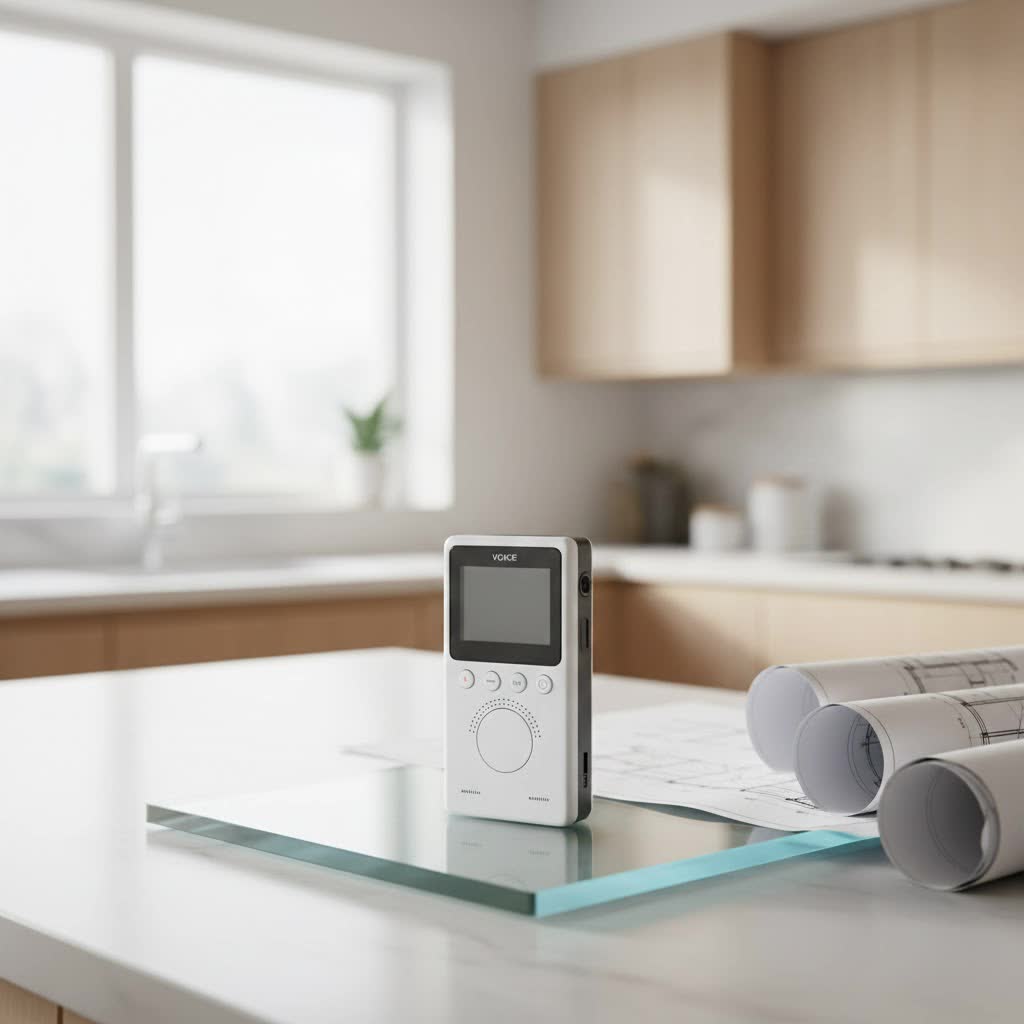
At its core, a backwards voice recorder is an application or device that captures audio, just like a standard voice recorder, but with a unique twist: it plays the recorded sound from the end to the beginning. Imagine unwinding a string of pearls, but instead of the pearls falling off one by one in the order you put them on, they magically reattach themselves in reverse sequence. That’s the essence of what a backwards voice recorder does for sound. It takes the entire waveform of your recording and flips it, allowing you to hear sounds and speech in a completely unfamiliar, often otherworldly, way. This isn’t just about playing a file in reverse; it’s about providing an accessible tool to achieve this specific audio effect with ease.
Beyond the Novelty: Why People Use Backwards Voice Recorders
While the initial appeal of hearing your voice in reverse might be purely for a laugh, the utility of a backwards voice recorder extends far beyond simple amusement. For sound enthusiasts, content creators, and even the simply curious, these tools offer a gateway to unique audio experiences and creative expression.
Creative Audio Production
|
Our Picks for the Best Voice Recorder in 2026
As an Amazon Associate I earn from qualifying purchases.
|
||
| Num | Product | Action |
|---|---|---|
| 1 | 132G (9800 Hour) Voice Activated Recorder - Elasound Voice Recorder with AI-Intelligent Triple Noise Reduction, Portable Audio Recorder for Work, Lectures, Meetings, 100H Continuous Recording Device |

|
| 2 | 128GB Digital Voice Recorder for Lectures Meetings - EVIDA 9296 Hours Voice Activated Recording Device Audio Recorder with Playback,Password |
|
| 3 | AI Digital Voice Recorder 128GB: AI Transcribe & Summarize Voice Activated Recorder with Playback - OTG - Portable Tape Recorder for Meeting & Lectures |
|
| 4 | 128GB Voice Recorder - ZIPCIDE Digital Voice Activated Recorder with Intelligent Noise Reduction, Professional Dictaphone Tape Recording Device with Playback for Lectures Meeting/Classes/Interview |
|
| 5 | 64GB Digital Voice Recorder with Playback: Voice Activated Recorders for Lectures Meetings Interviews - EVISTR Dictaphone Recording Device Tape Recorder Portable Mini, Audio Recorder with USB, MP3 |
|
| 6 | Sony ICD-UX570 Digital Voice Recorder, ICDUX570BLK, usb |
|
| 7 | soundcore Work by Anker, Portable Al Voice Recorder, AI Note Taker, Al Transcription & Summarization, 6-Month Pro at No Charge, Cross-Meeting Summary, MFi Certified, Privacy Protection, Black |
|
| 8 | Magnetic Voice Activated Recorder - (7000 Hours) Voice Recorder with DSP 5.0-AI Noise Cancellation - 64GB Portable Recording Device, Voice Recorder with Playback for Work, Meetings, Lectures |
|
| 9 | Digital Voice Recorder with Playback Recording Device with Screen & AI Noise Cancellation MP3 Player, 1600H Recording, Auto-Save for Meetings, Lectures, Interviews (128, GB) |
|
| 10 | Digital Voice Recorder 16GB Voice Recorder with Playback for Lectures - USB Rechargeable Dictaphone Upgraded Small Tape Recorder Device |
|
For musicians, podcasters, and filmmakers, a backwards voice recorder is an invaluable tool for sound design. Reversed audio can create ethereal atmospheric textures, uncanny vocal effects, or unexpected percussive elements. Think of the swirling, hypnotic sounds in psychedelic music or the unsettling whispers in a horror film – many of these effects begin with reversing an ordinary sound. You can record a simple cymbal crash and reverse it to create a swelling “reverse reverb” effect, or capture a spoken word and play it backward to produce an alien, otherworldly chant. The possibilities are truly boundless for those looking to add a distinctive sonic signature to their projects.
Fun and Entertainment
Sometimes, the simplest uses are the most enjoyable. Backwards voice recorder apps are incredibly popular for creating funny voice messages, challenging friends to guess reversed phrases, or simply experimenting with how everyday sounds transform when played in reverse. A dog’s bark might become a strange growl, a car horn could sound like a futuristic laser, or your own laughter could turn into an eerie, drawn-out sigh. It’s a fantastic way to pass the time, spark creativity, and share amusing audio snippets with your social circles.
Linguistic Curiosity and “Hidden Messages”
The allure of hidden messages in reversed audio has been a cultural phenomenon for decades, often appearing in urban legends about rock songs or subliminal messaging. While most of these claims are debunked by linguistics experts as auditory pareidolia – the brain trying to find patterns in random noise – the curiosity remains. Many users still enjoy using a backwards voice recorder to play back speech, hoping to uncover a secret phrase or an unintended meaning. It’s a fun, harmless experiment that taps into our inherent fascination with the unknown and the desire to uncover hidden layers within information.
Key Features to Look for in a Quality Backwards Voice Recorder App
Not all backwards voice recorders are created equal. To ensure you get the best experience and most versatile tool for your needs, consider these key features:
Recording Capabilities
A good app should allow for high-quality audio input directly from your device’s microphone. Look for clear, crisp recordings without excessive background noise. Some advanced apps might even offer options for external microphone input, which is a game-changer for serious audio enthusiasts.
Playback Control
Beyond just playing forwards and backwards, superior recorders offer additional playback controls. The ability to adjust playback rate (speed) can help you fine-tune effects or analyze reversed speech more closely. Pitch adjustment, allowing you to raise or lower the tone, can add another layer of creative distortion or help match reversed audio to a specific musical key.
File Management
A truly useful backwards voice recorder will allow you to import existing audio files (like WAV, MP3, M4A, FLAC) for reversal and export your newly reversed creations. This flexibility means you’re not limited to recording new audio, but can also experiment with your entire sound library. Easy saving and sharing options are also crucial for integrating your reversed audio into other projects or sharing with friends.
User Interface
An intuitive and user-friendly interface is paramount. You shouldn’t need a manual to figure out how to record, reverse, and save. Look for clean designs, clear buttons, and a smooth workflow that makes the process enjoyable and efficient. As a voice recording specialist, I always emphasize that the best tools fade into the background, allowing your creativity to take center stage.
Privacy and Security
In today’s digital age, privacy is key. Many reputable backwards voice recorders, especially web-based ones, explicitly state that your recordings remain private and never leave your device. This is a crucial feature, particularly if you’re recording sensitive or personal audio. Always check the privacy policy before committing to an app.
How to Get Started with Reverse Audio Recording
Getting started with a backwards voice recorder is often surprisingly simple, even for beginners. Here’s a general step-by-step guide:
- Choose Your Tool: Decide whether you prefer a mobile app (iOS or Android) or a web-based online recorder. Read reviews to find one with the features and privacy you need.
- Record Your Audio: Most tools will have a clear “Record” button. Speak clearly into your device’s microphone or play the sound you wish to capture. Keep your recording short and focused initially to easily grasp the effect.
- Reverse It! Locate the “Reverse” or “Play Backwards” button. With a single tap, your audio will be transformed.
- Experiment and Refine: Play with different playback speeds or pitch adjustments if your tool offers them. Try reversing different types of sounds – speech, music, ambient noise – to hear the unique results.
- Save and Share: Once you’re happy with your creation, save it to your device or share it directly through the app to your preferred platform.
Expert Insight: “The Creative Edge of Reverse Audio”
“As a sound engineer, I’ve seen countless trends come and go, but the power of reverse audio remains a timeless secret weapon in any creative’s arsenal,” says Elara Vance, a renowned audio producer with two decades of experience. “It’s not just a gimmick; it’s a fundamental manipulation that can evoke emotion, build tension, or simply add a layer of intrigue that’s impossible to achieve otherwise. From subtle swells to dramatic soundscapes, a good backwards voice recorder opens up an auditory playground. Don’t underestimate its potential to spark your next big idea.”
Frequently Asked Questions
Can I reverse any audio file?
Yes, most dedicated backwards voice recorder applications and software allow you to import a wide range of audio file formats (such as MP3, WAV, M4A) and reverse them, not just new recordings. This makes it versatile for working with existing audio libraries.
Is backwards speech understandable?
Generally, no. While your brain might try to find patterns and occasional words might sound familiar, human speech is not designed to be intelligible in reverse. The nuances of phonetics and language structure are lost when played backward, making it sound like gibberish. Any perceived “hidden messages” are usually coincidental or a result of pareidolia.
Are there professional uses for reverse audio?
Absolutely! Professional sound designers, music producers, and filmmakers frequently use reverse audio to create unique sound effects, atmospheric textures, and transitions. It’s a common technique for crafting eerie sounds, creating swell effects for instruments, or adding an abstract quality to vocals.
Are backwards voice recorder apps safe to use?
Most reputable apps are safe, but it’s always wise to check their privacy policies. Many explicitly state that your recordings are processed locally on your device and are not uploaded to external servers, ensuring your privacy. Be mindful of apps that require excessive permissions or have questionable data handling practices.
Conclusion
The backwards voice recorder might seem like a simple concept, but its power to transform sound is truly remarkable. From inspiring creative endeavors in music and podcasts to providing endless hours of fun and satisfying linguistic curiosity, it’s a tool that deserves a spot in any audio enthusiast’s toolkit. Embrace the unexpected, experiment with your voice, and discover the hidden sonic landscapes that lie waiting in reverse. At Ukrbl, we encourage you to dive in and let your creativity flow – who knows what amazing sounds you’ll uncover when you turn things around!
