In today’s fast-paced world, our smartphones are more than just communication devices; they’re pocket-sized powerhouses capable of everything from photography to video production. And when it comes to capturing audio, your Phone Voice Recorder can be an incredibly potent tool, often overlooked but brimming with potential. Whether you’re a journalist capturing an interview, a student recording a lecture, or simply want to jot down a quick voice note, mastering your phone’s recording capabilities means you’re always ready to capture pristine sound. As your trusted guide from Ukrbl.com, with over 15 years in the trenches of audio recording, I’m here to share the secrets to transforming your everyday phone into a high-fidelity sound capture device.
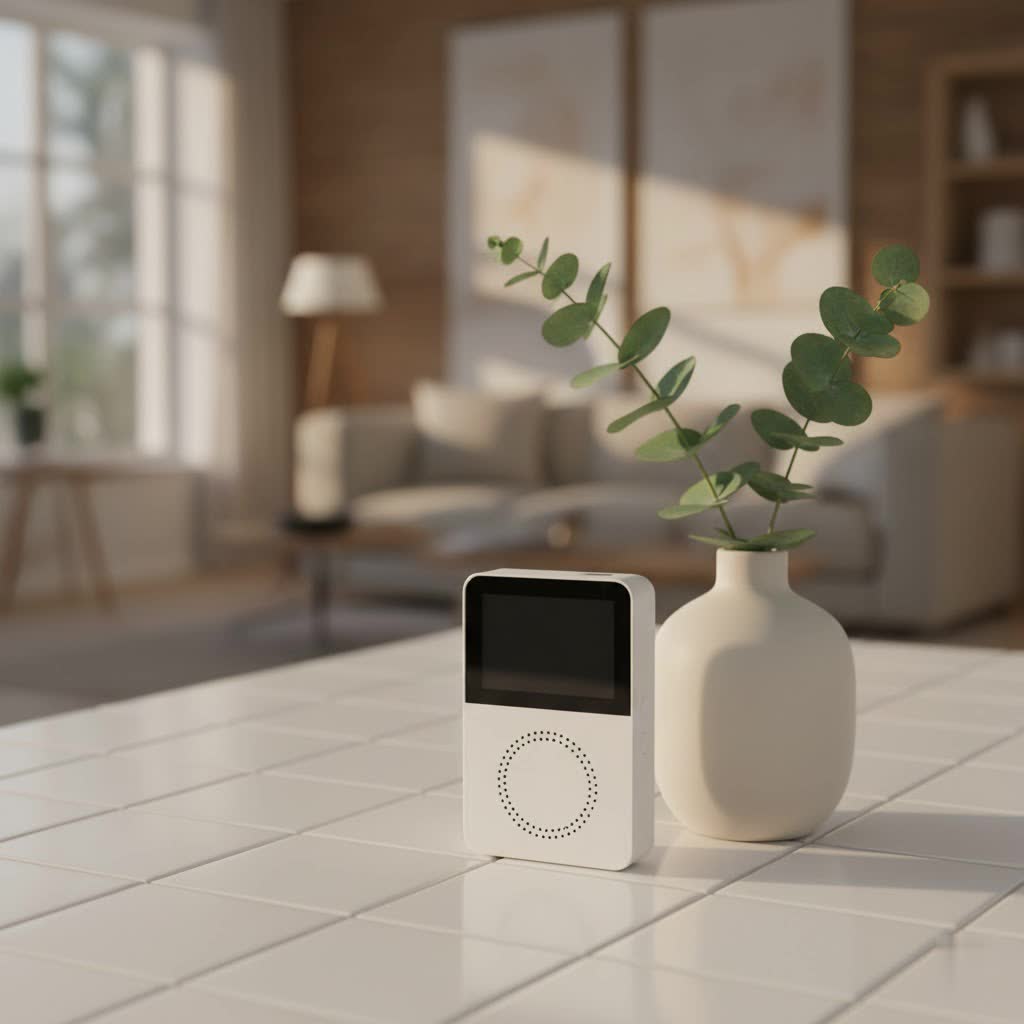
Unleash the Power: Your Phone’s Built-in Voice Recorder
Every smartphone, regardless of its operating system, comes equipped with a native voice recording feature or an easily accessible app that can function as a powerful phone voice recorder.
iPhone Users: Embracing Voice Memos
|
Our Picks for the Best Voice Recorder in 2026
As an Amazon Associate I earn from qualifying purchases.
|
||
| Num | Product | Action |
|---|---|---|
| 1 | 132G (9800 Hour) Voice Activated Recorder - Elasound Voice Recorder with AI-Intelligent Triple Noise Reduction, Portable Audio Recorder for Work, Lectures, Meetings, 100H Continuous Recording Device |

|
| 2 | 64GB Digital Voice Recorder with Playback: Voice Activated Recorders for Lectures Meetings Interviews - EVISTR Dictaphone Recording Device Tape Recorder Portable Mini, Audio Recorder with USB, MP3 |
|
| 3 | AI Digital Voice Recorder 128GB: AI Transcribe & Summarize Voice Activated Recorder with Playback - OTG - Portable Tape Recorder for Meeting & Lectures |
|
| 4 | soundcore Work by Anker, Portable Al Voice Recorder, AI Note Taker, Al Transcription & Summarization, 6-Month Pro at No Charge, Cross-Meeting Summary, MFi Certified, Privacy Protection, Black |
|
| 5 | Digital Voice Recorder with Playback Recording Device with Screen & AI Noise Cancellation MP3 Player, 1600H Recording, Auto-Save for Meetings, Lectures, Interviews (128, GB) |
|
| 6 | Digital Voice Recorder 16GB Voice Recorder with Playback for Lectures - USB Rechargeable Dictaphone Upgraded Small Tape Recorder Device |
|
| 7 | 128GB Voice Recorder - ZIPCIDE Digital Voice Activated Recorder with Intelligent Noise Reduction, Professional Dictaphone Tape Recording Device with Playback for Lectures Meeting/Classes/Interview |
|
| 8 | Magnetic Voice Activated Recorder - (7000 Hours) Voice Recorder with DSP 5.0-AI Noise Cancellation - 64GB Portable Recording Device, Voice Recorder with Playback for Work, Meetings, Lectures |
|
| 9 | 128GB Digital Voice Recorder for Lectures Meetings - EVIDA 9296 Hours Voice Activated Recording Device Audio Recorder with Playback,Password |
|
| 10 | Sony ICD-UX570 Digital Voice Recorder, ICDUX570BLK, usb |
|
If you’re an iPhone user, you’ll be familiar with the Voice Memos app. This built-in digital recorder is remarkably intuitive. Simply tap the Voice Memos icon, hit the prominent red record button, and watch the waveform dance across your screen as your audio is captured. It’s perfect for quick notes, personal reminders, or even capturing spontaneous ideas. Once done, you can easily trim, rename, and organize your recordings, making it a versatile tool for everyday use.
Android Users: Discovering Your Recorder
For Android users, the experience can vary slightly depending on your phone’s manufacturer. Many Android devices come with a pre-installed app such as “Sound Recorder,” “Voice Recorder,” or “Voice Memos.” Pixel phone users, for instance, benefit from the Google Recorder app, which boasts impressive real-time transcription features. If you can’t immediately spot a dedicated app, a quick search in your app drawer for “recorder” or “voice” will usually reveal it. Should your device lack a native option, the Google Play Store offers a plethora of reliable third-party phone voice recorder apps, often with advanced functionalities that rival dedicated devices.
Elevating Audio Quality: Essential Setup and Environment
The true magic of a professional-sounding recording isn’t just about the device; it’s about the environment and your technique. These simple yet effective tips will dramatically improve your phone voice recorder’s output.
Silence is Golden: Choosing Your Recording Space
Why is a quiet environment so crucial for a good recording? Background noise, whether it’s a humming fan, distant traffic, or even the subtle echo of an empty room, is the sworn enemy of clear audio.
To capture the best possible sound with your phone voice recorder, prioritize a quiet setting. Hard, reflective surfaces like bare walls, tile floors, and glass windows can create unwanted echoes and reverberations. Instead, seek out softer, furnished rooms. A carpeted bedroom, a closet packed with clothes, or even simply hanging blankets on nearby walls can effectively dampen sound reflections, creating a ‘studio-like’ acoustic environment. Always remember to close windows and doors to minimize external disturbances.
Optimal Mic Placement: Finding the Sweet Spot
How should you hold your phone to achieve the clearest audio? Proper microphone placement is paramount.
For voice recordings, hold your phone or external microphone approximately 6 to 12 inches (or around 8 cm for some Samsung devices) from your mouth. This distance is ideal for capturing your voice clearly while minimizing harsh “P” and “T” sounds (plosives) and preventing distortion. Position the microphone slightly to the side rather than directly in front of your mouth to further mitigate these unwanted sounds. Always ensure that your phone’s microphone isn’t obstructed by your hand, a case, or clothing.
Stability is Key: Taming Handling Noise
What causes distracting noises in your recordings, and how can you prevent them? Any movement or touch on your phone while recording can introduce handling noise, which can be incredibly distracting.
To avoid this, place your phone on a stable surface. A small tripod designed for smartphones or even just resting it on a soft towel can make a significant difference. If you absolutely must hold the phone, grip it lightly by its edges and keep your movements to an absolute minimum throughout the recording session.
Go Incognito: The Power of Airplane Mode
Why should you activate airplane mode before recording? There’s nothing worse than a perfectly captured moment ruined by an unexpected call or notification.
To prevent interruptions, always put your phone into airplane mode before you begin recording. This simple step eliminates incoming calls, texts, and other notifications that could disrupt your audio or introduce unwanted sounds into your recording, ensuring a seamless capture experience.
Keep it Clean: Microphone Maintenance
Could a dirty microphone be impacting your recording quality? Often overlooked, the cleanliness of your phone’s microphone can significantly affect its performance.
Over time, dust, lint, and debris can accumulate in the tiny microphone ports, muffling your audio. Regularly inspect and gently clean the microphone area with a soft-bristled brush or a puff of compressed air (held at a slight angle). Avoid using sharp objects, which could damage the delicate microphone components.
Beyond the Basics: Advanced Techniques and Tools
While your phone’s built-in recorder is capable, there are ways to push its performance even further.
The External Edge: When to Consider an External Microphone
When does an external microphone become a game-changer for phone recording? While built-in mics are convenient, external microphones offer vastly superior sound quality, clarity, and precision.
If you’re serious about high-quality audio, particularly for interviews, podcasts, or music, consider investing in an external mic. Lavalier (lapel) microphones are excellent for clear voice capture with minimal background noise, while USB condenser microphones provide a richer, more professional sound, often requiring an adapter to connect to your phone. Shotgun microphones are ideal for directional recording, focusing on sounds directly in front and reducing ambient noise. The difference in audio fidelity can be truly astounding.
Smart Apps, Smarter Recordings: Third-Party Solutions
Many third-party phone voice recorder apps go beyond basic functionality, offering advanced features that can drastically improve your recordings. These often include sophisticated noise cancellation algorithms, adjustable microphone sensitivity, advanced editing capabilities (like easy trimming, merging, and sound enhancement), and even voice activation, which starts recording only when sound is detected. Some apps, like Dolby On, are specifically designed to clean up and enhance audio in real-time, giving your recordings a professional polish.
Power Management and Storage: Don’t Get Caught Off Guard
What are two critical factors often overlooked in long recording sessions? Battery life and storage space are often underestimated, leading to frustrating interruptions.
Recording, especially in high-quality formats, can quickly drain your phone’s battery and consume storage. Always ensure your phone is fully charged before a long session, or keep a power bank handy. Similarly, check your available storage and clear out unnecessary files if needed. High-fidelity audio formats like WAV or FLAC (if supported by your app) provide excellent quality but take up more space than compressed formats like MP3.
Mastering the Test Run: Your Pre-Recording Ritual
Why is a quick test recording an indispensable part of your workflow? A brief test can save you a lot of headaches later.
Before any important recording, always perform a short test. Listen back with headphones to check for clarity, volume levels, and any unexpected background noise. This allows you to fine-tune your environment, mic placement, and app settings, ensuring everything is perfect before you hit record on your phone voice recorder for the main event.
Legal and Ethical Considerations: Recording Responsibly
As a voice recording expert, it’s my duty to highlight a critical aspect often overlooked: the legality and ethics of recording conversations.
Understanding Consent: One-Party vs. Two-Party States
Laws regarding recording conversations vary significantly by location. In “one-party consent” states or countries, you can legally record a conversation as long as you are a party to it (or have the consent of one party). However, in “two-party consent” (or “all-party consent”) jurisdictions, you must obtain permission from all parties involved before recording. Failing to do so can have serious legal repercussions.
Transparency and Trust
Beyond legal mandates, there’s the ethical consideration. As a general rule of thumb, it’s always best practice to inform everyone that a conversation is being recorded. This fosters trust and transparency, ensuring that all parties are comfortable. Some recording apps even include built-in alerts to notify participants, which is a thoughtful feature that can also offer legal protection.
Pro Tips from Ukrbl.com’s Voice Recording Expert
“Many believe you need expensive gear for truly professional audio, but that’s simply not true,” says Elara Vance, Ukrbl.com’s lead audio specialist. “With a bit of know-how and attention to detail, your phone voice recorder can deliver outstanding results. Focus on controlling your environment, understanding your microphone’s sweet spot, and always, always doing a test run. It’s about skill, not just spending.”
Frequently Asked Questions (FAQ)
Q: Can I record phone calls with my phone’s built-in recorder?
A: This depends heavily on your phone model and local laws. Many Android phones natively support call recording, though capabilities can vary. iPhones, due to Apple’s privacy policies, generally do not offer native call recording without third-party apps or external devices, and workarounds often require the use of external services. Always check local regulations first.
Q: How far should I hold my phone when recording?
A: For optimal clarity and to avoid harsh plosive sounds, hold your phone approximately 6 to 12 inches (15-30 cm) from the sound source, ideally with the microphone angled slightly to the side of your mouth.
Q: What’s the best way to reduce background noise without extra equipment?
A: The most effective method is to choose a quiet environment. Record in a carpeted room, a closet filled with clothes, or create a makeshift sound-dampened space with blankets. Activating airplane mode and closing unnecessary apps also significantly reduce interference.
Q: Why do my recordings sometimes sound muffled?
A: Muffled recordings are often caused by obstructions to the microphone (like a phone case or your hand), a dirty microphone port, or being too far from the sound source. Ensure your mic is clean and unobstructed, and hold your phone at an optimal distance.
Q: Are there any free apps that improve phone recording quality?
A: Yes, many free third-party apps for both Android and iOS offer features like noise reduction, gain control, and basic editing that can enhance your phone’s recording quality. Apps like Dolby On are popular choices for improving clarity and sound.
Conclusion: Your Pocket-Sized Recording Studio
Your phone is more than just a gadget; with the right approach, it transforms into a sophisticated phone voice recorder, ready to capture life’s important sounds with impressive fidelity. By understanding the nuances of your device, optimizing your recording environment, and applying these expert techniques, you’re well on your way to achieving professional-grade audio without needing a studio. So go ahead, experiment with these tips, and unlock the full potential of your pocket-sized recording studio. We at Ukrbl.com are confident that with a little practice, your recordings will sound clearer, crisper, and more impactful than ever before. Share your experiences, and let’s continue to elevate the art of audio capture together!
