In our fast-paced world, where ideas strike at the most unexpected times and important conversations happen on the fly, relying solely on your memory or bulky recording equipment just won’t cut it anymore. That’s where the ingenious Wearable Voice Recorder steps in, transforming how we capture audio. These compact, often discreet devices are no longer just for spies in movies; they’ve become indispensable tools for students, professionals, journalists, and anyone wanting to document life’s crucial sounds without missing a beat. From recording a brilliant lecture to preserving a critical meeting or even simply jotting down a fleeting thought, wearable voice recorders offer unparalleled convenience and capability, seamlessly integrating into your daily life.
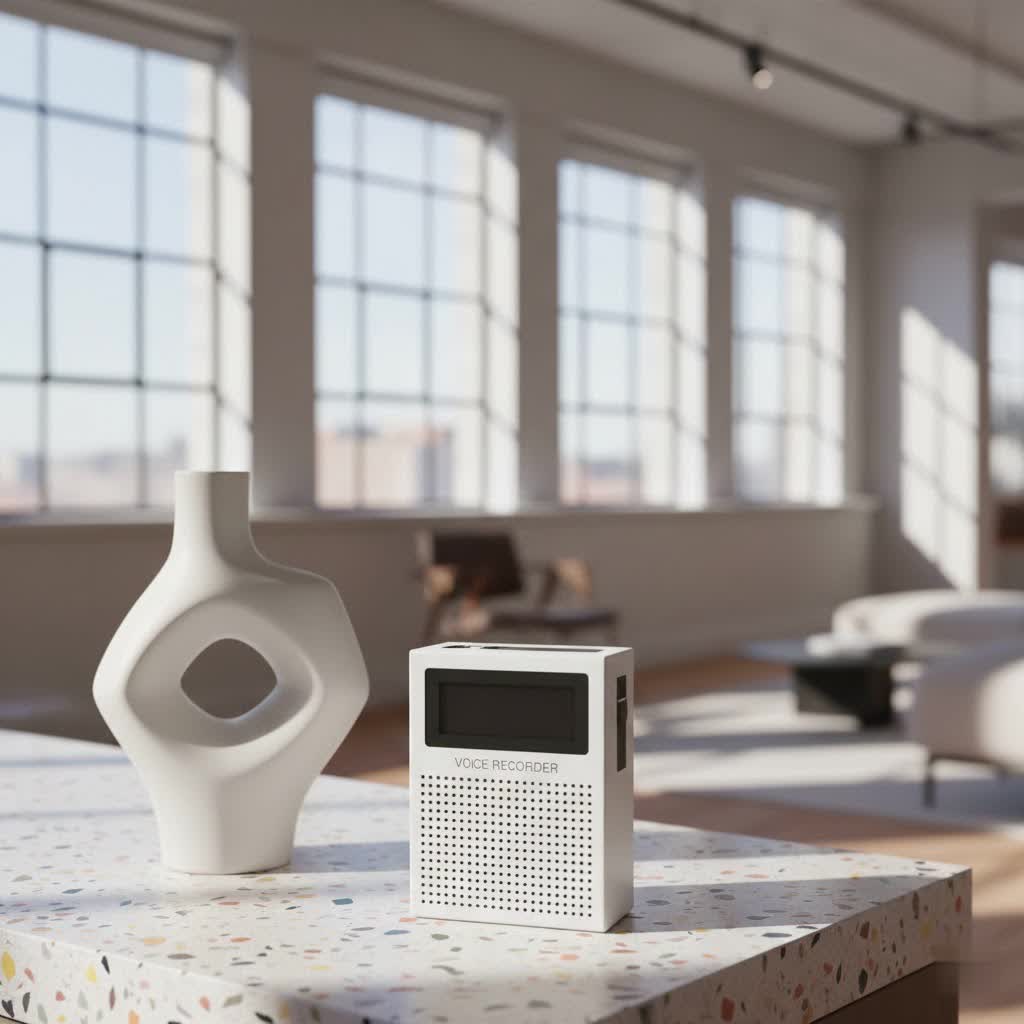
What Exactly is a Wearable Voice Recorder?
At its core, a wearable voice recorder is an audio recording device designed to be carried or worn on your person, offering hands-free operation and ultimate portability. Unlike traditional handheld recorders that demand your attention, these devices are crafted for discretion and ease of access. You might encounter them in various clever forms:
- Clip-on Recorders: Small, lightweight devices that can be attached to your lapel, pocket, or bag strap, much like a badge.
- Pen Recorders: Disguised as ordinary writing pens, these are perhaps the most classic examples of discreet recording.
- USB Drive Recorders: Shaped like a standard USB stick, making them easy to carry and conceal.
- Watch Recorders: Integrated into a wristwatch, offering both timekeeping and recording functions.
- Pendant/Necklace Recorders: Designed to be worn around the neck, often as an unassuming piece of jewelry.
- AI-Powered Devices: The new frontier, often coin-sized or pill-shaped, offering advanced features beyond simple recording.
The evolution of these devices has been remarkable, moving from simple capture tools to sophisticated gadgets, many of which now boast Artificial Intelligence (AI) for enhanced functionality. They bridge the gap between spontaneity and documentation, ensuring that every significant soundbite is preserved with minimal effort on your part.
Why Go Wearable? The Undeniable Advantages
Choosing a wearable voice recorder isn’t just about owning a cool gadget; it’s about unlocking a new level of efficiency and peace of mind. Here are the compelling reasons why these devices are a game-changer:
Discretion & Portability
|
Our Picks for the Best Voice Recorder in 2026
As an Amazon Associate I earn from qualifying purchases.
|
||
| Num | Product | Action |
|---|---|---|
| 1 | 64GB Digital Voice Recorder with Playback: Voice Activated Recorders for Lectures Meetings Interviews - EVISTR Dictaphone Recording Device Tape Recorder Portable Mini, Audio Recorder with USB, MP3 |

|
| 2 | soundcore Work by Anker, Portable Al Voice Recorder, AI Note Taker, Al Transcription & Summarization, 6-Month Pro at No Charge, Cross-Meeting Summary, MFi Certified, Privacy Protection, Black |
|
| 3 | Digital Voice Recorder with Playback Recording Device with Screen & AI Noise Cancellation MP3 Player, 1600H Recording, Auto-Save for Meetings, Lectures, Interviews (128, GB) |
|
| 4 | AI Digital Voice Recorder 128GB: AI Transcribe & Summarize Voice Activated Recorder with Playback - OTG - Portable Tape Recorder for Meeting & Lectures |
|
| 5 | 132G (9800 Hour) Voice Activated Recorder - Elasound Voice Recorder with AI-Intelligent Triple Noise Reduction, Portable Audio Recorder for Work, Lectures, Meetings, 100H Continuous Recording Device |
|
| 6 | Digital Voice Recorder 16GB Voice Recorder with Playback for Lectures - USB Rechargeable Dictaphone Upgraded Small Tape Recorder Device |
|
| 7 | 128GB Voice Recorder - ZIPCIDE Digital Voice Activated Recorder with Intelligent Noise Reduction, Professional Dictaphone Tape Recording Device with Playback for Lectures Meeting/Classes/Interview |
|
| 8 | Sony ICD-UX570 Digital Voice Recorder, ICDUX570BLK, usb |
|
| 9 | Magnetic Voice Activated Recorder - (7000 Hours) Voice Recorder with DSP 5.0-AI Noise Cancellation - 64GB Portable Recording Device, Voice Recorder with Playback for Work, Meetings, Lectures |
|
| 10 | 128GB Digital Voice Recorder for Lectures Meetings - EVIDA 9296 Hours Voice Activated Recording Device Audio Recorder with Playback,Password |
|
One of the most significant advantages is their ability to blend into your attire or accessories. Whether it’s a tiny device clipped to your shirt or a recorder hidden within a pen, they allow you to capture audio without drawing undue attention. Their compact size means they’re effortless to carry, always ready when you are.
Hands-Free Operation
Imagine trying to take notes while simultaneously conducting an interview or participating actively in a meeting. It’s a juggle. Wearable recorders eliminate this problem entirely. With one-touch recording or even voice-activated features, you can keep your hands free, maintain natural interactions, and focus on the moment rather than fiddling with buttons.
Never Miss a Beat
Ideas often strike when least expected, and crucial details can surface out of nowhere. A wearable voice recorder is your ever-present memory assistant. “The beauty of a wearable recorder is its immediacy,” says Dr. Anya Petrova, a leading audio technology expert. “It’s always there to capture that sudden burst of inspiration or the critical point in a conversation that might otherwise be lost forever.” This instant-on capability means you’re always prepared.
Enhanced Focus
By offloading the mental burden of memorizing or frantically scribbling notes, you can truly engage with your surroundings or the people you’re interacting with. This leads to more meaningful participation and a deeper understanding of the information being shared, knowing you can always review the precise audio later.
Key Features to Look for in Your Perfect Wearable Recorder
With a plethora of options available, selecting the right wearable voice recorder requires a keen eye for features that align with your specific needs.
Audio Quality (Noise Cancellation, Mic Sensitivity)
This is paramount. What’s the point of recording if the audio is muffled or drowned out by background noise? Look for devices with:
- High-Fidelity Microphones: Capable of capturing clear, crisp sound.
- Noise Cancellation: Essential for filtering out ambient sounds, especially in busy environments like cafes or conference halls. Many advanced models utilize dual microphones or AI algorithms for superior noise reduction.
- Adjustable Mic Sensitivity: Allows you to fine-tune the microphone’s pickup range, crucial for both close-up conversations and larger rooms.
Battery Life & Storage
You don’t want your recorder dying mid-lecture or running out of space during a long interview.
- Battery Life: Aim for models that offer several hours, ideally a full workday (8+ hours) of continuous recording. Many also feature impressive standby times and quick-charge capabilities.
- Storage: Internal memory typically ranges from 8GB to 64GB, with some offering expandable storage via microSD cards. Consider how much audio you’ll need to store before offloading.
Ease of Use (One-touch, Voice Activation)
The simpler, the better, especially for on-the-go recording.
- One-Touch Recording: A single physical button to start and stop recording prevents fumbling and ensures you don’t miss a moment.
- Voice-Activated Recording (VAR): This feature automatically starts recording when sound is detected and pauses during silence, saving battery and storage space.
AI Integration (Transcription, Summarization, Speaker ID)
Modern wearable voice recorder technology is increasingly leveraging AI to add significant value.
- Real-time Transcription: Converts spoken words into text, often with high accuracy across multiple languages.
- Smart Summarization: AI can condense long recordings into key takeaways or create different summaries based on your role (e.g., meeting minutes for a manager vs. action items for a team member).
- Speaker Diarization: Identifies and labels different speakers in a conversation, making review much easier.
- Keyword Extraction & Search: Allows you to quickly find specific information within your recordings.
Design & Wearing Options
Consider how you plan to wear or carry the device.
- Weight and Size: The lighter and smaller, the more comfortable and discreet.
- Mounting Options: Look for versatile accessories like magnetic clips, lanyards, wristbands, or even pin designs that allow flexible placement.
Connectivity (App, Cloud Sync)
Many modern recorders pair with smartphone apps.
- Seamless App Integration: For managing recordings, adjusting settings, and accessing AI features.
- Cloud Sync: Automatically uploads your audio to cloud storage, providing backup and accessibility from anywhere.
Security & Privacy
For sensitive recordings, data security is crucial. Look for devices compliant with standards like GDPR, HIPAA, or SOC 2. Also, consider if the device works standalone or requires a smartphone, and how your data is handled post-transcription.
Who Benefits Most from Wearable Voice Recorders?
The versatility of a wearable voice recorder makes it invaluable across a wide spectrum of users:
- Students: Perfect for capturing lectures, study group discussions, and personal notes without the distraction of typing. Imagine easily converting a three-hour lecture into concise, searchable text notes.
- Journalists & Interviewers: Ideal for recording interviews on location, capturing spontaneous quotes, and documenting events hands-free. A discreet wearable voice recorder ensures natural conversation flow.
- Professionals: From boardroom meetings to brainstorming sessions and client consultations, these devices ensure no detail is forgotten. AI features can generate instant summaries, saving hours of manual note-taking.
- Content Creators: Capture ideas on the go, record snippets for podcasts or vlogs, or document observations for creative projects. The Soundcore Work, for instance, is a coin-sized AI voice recorder popular among creators.
- Personal Security & Memos: For personal safety, having a discreet recording device can be crucial. They’re also excellent for quickly recording personal thoughts, to-do lists, or shopping reminders.
Choosing Your Ideal Wearable Voice Recorder: A Smart Buyer’s Guide
Ready to invest in a wearable voice recorder? Here’s a practical checklist to guide your decision:
- Assess Your Primary Needs: Are you prioritizing discretion, AI features, battery life, or pure audio quality? For a student, long battery life and good transcription might be key. For a journalist, robust audio quality and discreet design are critical.
- Consider Your Budget: Prices vary significantly based on features and brand. Basic models offer solid recording for under $100, while AI-powered devices with advanced capabilities can range higher.
- Prioritize Key Features: Make a list of your non-negotiables (e.g., voice activation, noise cancellation, specific wearing style) and use it to narrow down choices.
- Check Reviews and Specifications: Always read user reviews and compare detailed specifications. Look for insights into real-world performance, especially concerning battery life and audio clarity. Many devices, like the Plaud NotePin, offer impressive 30-hour recording times and extensive standby.
Expert Tips for Optimal Recording
Even the best wearable voice recorder performs better with a few insider tricks:
- Placement Matters: For optimal audio, position the recorder as close to the sound source as discreetly possible. On a lapel, near your collarbone, or attached to a visible (but not obvious) part of your clothing usually works best.
- Test Before You Trust: Always do a short test recording in the environment you plan to use it. This helps you understand how it handles ambient noise and ensures it’s picking up sound effectively.
- Manage Your Files Regularly: Don’t let your recorder’s memory fill up. Regularly transfer and back up your recordings to a computer or cloud storage.
- Maintain Battery Health: For devices with rechargeable batteries, follow manufacturer guidelines for charging to prolong battery life. Turn off unnecessary features like Bluetooth if not in use.
Frequently Asked Questions (FAQ)
Are wearable voice recorders legal to use?
The legality of recording conversations varies significantly by jurisdiction. Many places operate under “one-party consent” laws, meaning you can record a conversation as long as you are a participant. Other areas require “two-party consent,” where all parties must agree to be recorded. Always research and understand the laws in your specific location before recording.
How long can a wearable voice recorder record?
Recording times vary widely depending on the device’s battery capacity, storage, and recording settings (e.g., audio quality, continuous vs. voice-activated). Many popular models offer between 10 to 30 hours of continuous recording, with some boasting standby times of 40 to 60 days.
Do they need a smartphone to work?
Not necessarily. Many traditional wearable voice recorder models operate independently. However, modern AI-powered devices often connect to a smartphone app via Bluetooth for transcription, summarization, and managing advanced features. Some, like the Plaud Note Pin, can record without a smartphone and sync later.
What’s the difference between a wearable and a traditional voice recorder?
The primary difference lies in design and intended use. Wearable recorders are designed for discretion, portability, and hands-free operation, often being very small and having specific attachment options. Traditional recorders might be bulkier, offer more advanced audio controls, and are typically handheld.
Can wearable voice recorders transcribe recordings?
Yes, many modern wearable voice recorders, especially those with AI integration, offer transcription services. This usually happens through a paired smartphone app or cloud service that processes the audio into text, often supporting multiple languages and even speaker identification.
Conclusion
The wearable voice recorder is far more than a simple gadget; it’s an extension of your memory, a tool for enhanced productivity, and a discreet companion for capturing the auditory tapestry of your life. From spontaneous moments to critical conversations, these devices empower you to document details with unparalleled ease and confidence. By understanding the diverse features available and aligning them with your personal or professional needs, you can unlock a world where no important sound goes unrecorded. Embrace the future of audio capture, and let a wearable voice recorder be the silent, powerful ally in your pocket or on your person, ensuring every word, idea, and interaction is perfectly preserved.
