In today’s visually driven world, it’s easy to obsess over camera gear and stunning visuals. Yet, for seasoned content creators, filmmakers, and even casual vloggers, there’s a timeless truth: superb audio isn’t just an accessory; it’s the very foundation of compelling video. Imagine a beautifully shot scene with muffled, echoey, or noisy dialogue—it’s jarring, disengaging, and often leads viewers to click away faster than you can say “cut.” This is where the power of a dedicated Video Voice Recorder comes into play, transforming your soundscape from amateur to articulate.
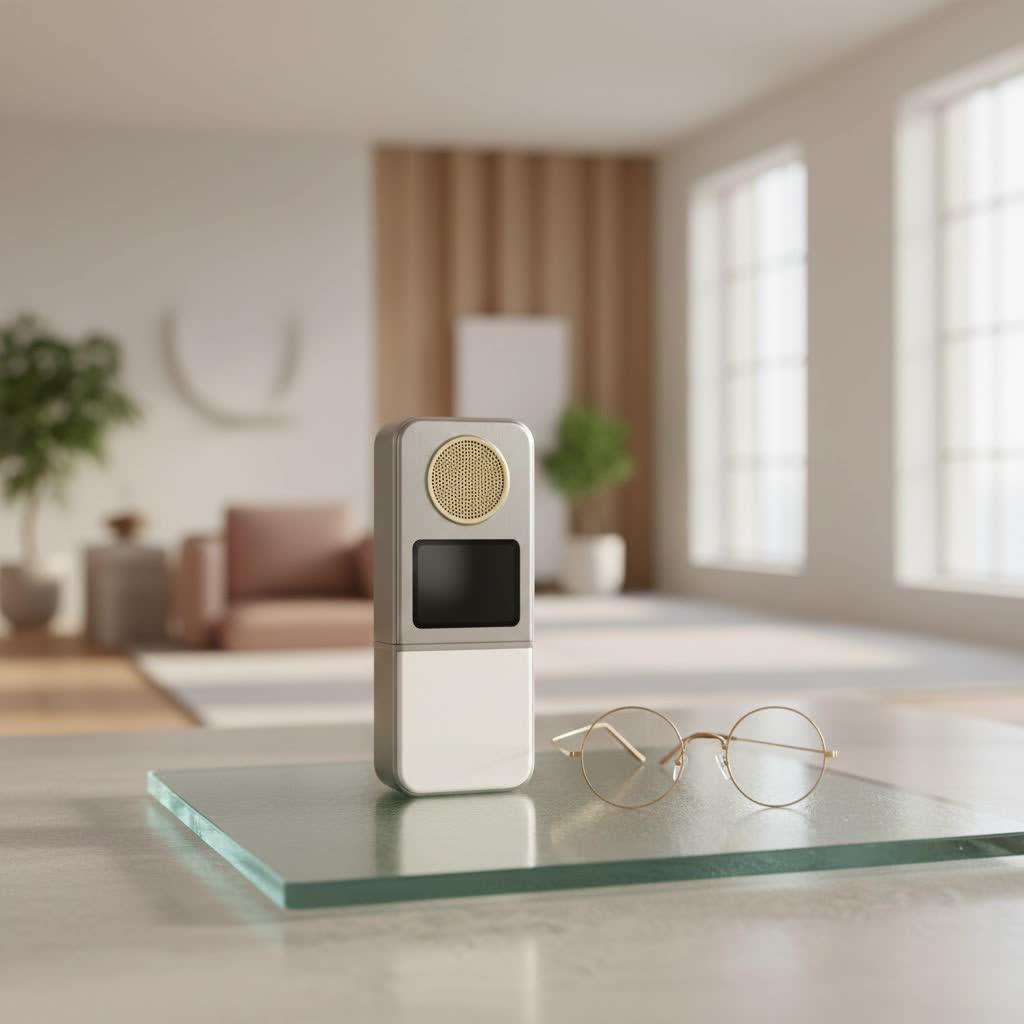
What Exactly is a Video Voice Recorder?
When we talk about a video voice recorder, we’re venturing beyond your camera’s internal microphone. While many cameras capture audio, their built-in mics are often designed for convenience, not quality. A dedicated video voice recorder refers to any tool or system primarily designed to capture high-fidelity human speech or ambient sound that will be integrated into video content. These specialized tools ensure your message is heard loud and clear, free from distractions.
Broadly, these solutions fall into a few key categories:
- Dedicated Portable Audio Recorders: These are standalone devices built specifically for recording sound, such as handheld digital recorders. They often boast superior preamps, multiple input options (like XLR for professional microphones), and advanced recording formats.
- External Microphones: From clip-on lavalier mics that capture intimate dialogue to shotgun microphones that focus on sound from a distance, these specialized microphones connect to cameras, smartphones, or portable recorders to dramatically improve sound pickup.
- Wireless Microphone Systems: Ideal for dynamic shooting, these systems allow subjects to move freely while their audio is transmitted wirelessly to a receiver connected to your camera or recorder.
- Software-Based Voiceover Tools: For content that involves narration or commentary added in post-production, dedicated software or features within video editors allow for crisp voiceover recording directly on your computer.
|
Our Picks for the Best Voice Recorder in 2026
As an Amazon Associate I earn from qualifying purchases.
|
||
| Num | Product | Action |
|---|---|---|
| 1 | Digital Voice Recorder with Playback Recording Device with Screen & AI Noise Cancellation MP3 Player, 1600H Recording, Auto-Save for Meetings, Lectures, Interviews (128, GB) |

|
| 2 | 128GB Voice Recorder - ZIPCIDE Digital Voice Activated Recorder with Intelligent Noise Reduction, Professional Dictaphone Tape Recording Device with Playback for Lectures Meeting/Classes/Interview |
|
| 3 | soundcore Work by Anker, Portable Al Voice Recorder, AI Note Taker, Al Transcription & Summarization, 6-Month Pro at No Charge, Cross-Meeting Summary, MFi Certified, Privacy Protection, Black |
|
| 4 | 128GB Digital Voice Recorder for Lectures Meetings - EVIDA 9296 Hours Voice Activated Recording Device Audio Recorder with Playback,Password |
|
| 5 | Digital Voice Recorder 16GB Voice Recorder with Playback for Lectures - USB Rechargeable Dictaphone Upgraded Small Tape Recorder Device |
|
| 6 | 132G (9800 Hour) Voice Activated Recorder - Elasound Voice Recorder with AI-Intelligent Triple Noise Reduction, Portable Audio Recorder for Work, Lectures, Meetings, 100H Continuous Recording Device |
|
| 7 | 64GB Digital Voice Recorder with Playback: Voice Activated Recorders for Lectures Meetings Interviews - EVISTR Dictaphone Recording Device Tape Recorder Portable Mini, Audio Recorder with USB, MP3 |
|
| 8 | AI Digital Voice Recorder 128GB: AI Transcribe & Summarize Voice Activated Recorder with Playback - OTG - Portable Tape Recorder for Meeting & Lectures |
|
| 9 | Magnetic Voice Activated Recorder - (7000 Hours) Voice Recorder with DSP 5.0-AI Noise Cancellation - 64GB Portable Recording Device, Voice Recorder with Playback for Work, Meetings, Lectures |
|
| 10 | Sony ICD-UX570 Digital Voice Recorder, ICDUX570BLK, usb |
|
Why You Need a Dedicated Video Voice Recorder
Still wondering if investing in a video voice recorder is worth it? Consider these compelling reasons:
1. Professionalism and Audience Engagement: There’s a direct correlation between audio quality and perceived professionalism. Clear, crisp audio conveys competence and makes your content more enjoyable. Viewers are far more forgiving of imperfect visuals than they are of poor sound. As veteran audio engineer, Marcus Thorne, often says, “People might overlook a slightly blurry shot, but they will never tolerate muddy audio. Your sound tells your story.”
2. Overcoming Common Audio Challenges:
- Background Noise: Camera mics pick up everything – traffic, air conditioning, room hum. Dedicated recorders and external mics are designed to isolate your subject’s voice.
- Echo and Reverb: Recording in an untreated room can make voices sound distant and echoey. Proper mic selection and placement with a video voice recorder mitigate this.
- Muffled or Distorted Sound: Internal mics often compress audio, leading to a thin or distorted sound. High-quality recorders capture a wider dynamic range, resulting in richer, more natural audio.
3. Flexibility and Control: Separating audio recording from video recording gives you immense control. You can place your microphone optimally regardless of camera position, record backup audio tracks, and adjust settings independently.
Key Features to Look for in a Video Voice Recorder
Choosing the right video voice recorder means understanding what truly matters for your specific needs. Here’s a breakdown of essential features:
- Audio Quality (Bit Depth & Sample Rate): Look for recorders that offer high-resolution recording, typically 24-bit or even 32-bit float and sample rates of 48kHz or 96kHz. 32-bit float recording is particularly revolutionary as it virtually eliminates clipping, allowing you to capture sound without worrying about input levels being too high or too low, giving you incredible flexibility in post-production.
- Microphone Quality and Type: Does the device have high-quality built-in microphones (e.g., stereo condenser mics) or robust inputs for external mics (like XLR ports)? Consider whether you need omnidirectional for ambient sound, cardioid for focused speech, or lavalier for discreet recording.
- Connectivity: Professional recorders often feature XLR inputs for connecting high-end microphones. USB connectivity is crucial for easy file transfer and sometimes for using the recorder as an audio interface. Wireless systems offer freedom of movement for your subjects.
- Portability and Durability: If you’re recording on the go, a compact, lightweight, and durable device is paramount. Look for solid build quality that can withstand field use.
- Battery Life and Storage: Long battery life is essential for extended shoots. Ensure the device supports ample storage (e.g., SD cards) for lengthy recording sessions, especially when recording multiple tracks at high resolution.
- Ease of Use and Monitoring: An intuitive interface and clear display make operation straightforward. Crucially, a headphone jack for real-time audio monitoring is non-negotiable for ensuring your sound is being captured correctly.
- Advanced Features:
- Low-Cut Filters: These eliminate unwanted low-frequency rumble (like wind noise or HVAC hum).
- Limiters/Compressors: Help prevent audio peaks from distorting your recording.
- Safety Tracks: Some recorders can record a duplicate track at a lower volume, providing a “safety net” against unexpected loud sounds.
- Multi-Track Recording: Allows you to record several audio sources independently, providing greater flexibility in mixing.
Mastering Your Audio: Best Practices for Recording
Even the most advanced video voice recorder is only as good as the person operating it. Here are some pro tips to get the best possible sound:
1. Choosing the Right Environment:
- Silence is Golden: Seek out the quietest space possible. Turn off air conditioners, refrigerators, and any other humming appliances. Close windows to block exterior noise.
- Treat the Room: Hard, reflective surfaces (bare walls, tile floors) cause echo. Rooms with soft furnishings (carpets, curtains, upholstered furniture) absorb sound and reduce reverb, leading to a much “drier” and clearer recording. Even throwing blankets over furniture can make a difference in a pinch.
2. Microphone Placement Techniques:
- Get Close, But Not Too Close: The closer your mic is to the sound source (the speaker), the more direct sound it will capture and the less room noise. Aim for 6 to 12 inches away.
- Off-Axis Placement: To avoid harsh “plosive” sounds (P’s and B’s) and breath noises, position the microphone slightly to the side of the speaker’s mouth, rather than directly in front.
- Use Pop Filters and Windshields: A pop filter (for studio mics) or a foam/furry windshield (for outdoor mics) is crucial for eliminating plosives and reducing wind noise, ensuring smoother speech.
3. Setting Optimal Volume Levels (Gain Staging):
- The Sweet Spot: Set your microphone’s input level (gain) so that your audio peaks typically between -12 dB and -6 dB on your recorder’s meter. This provides “headroom” for unexpected loud sounds and prevents distortion (clipping), which occurs when audio levels go above 0 dB and is nearly impossible to fix in post-production.
- Monitor Constantly: Always wear closed-back headphones to listen to your audio in real-time. This allows you to catch any background noises, distortions, or level issues immediately, rather than discovering them too late.
4. Scripting, Pacing, and Performance:
- Write and Practice: For voiceovers or scripted content, a well-written script ensures clarity and conciseness. Practice reading it aloud to find a natural, engaging pace.
- Take Breaks: For longer sessions, break your recording into chunks. This helps maintain energy, keeps your voice fresh, and makes editing easier.
Post-Production Polish: Refining Your Video’s Voice
Even with the best recording, a little post-production can make a big difference.
- Basic Editing: Use audio editing software (like Audacity, Adobe Audition, or features within your video editor) to trim unwanted silence, remove breath noises, and clean up minor background hums.
- Noise Reduction & EQ: Software tools can help reduce persistent background noise and equalize frequencies to make voices clearer and more present. However, remember that “fixing it in post” is always harder than “getting it right in the first place.”
- Syncing Audio and Video: If you’re recording audio separately, you’ll need to sync it with your video. Using a simple clap at the beginning of a take can create an easy visual and auditory spike to align your tracks.
Frequently Asked Questions (FAQ)
Q: Can I just use my phone to record audio for video?
A: While convenient, a phone’s internal microphone often produces lower quality audio with more background noise. For casual content, it might suffice, but for professional results, investing in a dedicated external microphone or portable video voice recorder is highly recommended.
Q: What’s the difference between a voice recorder and a video recorder?
A: A video recorder (like a camcorder or camera) captures both video and audio, often with an integrated microphone. A voice recorder (or audio recorder) is specifically designed to capture only sound, usually with higher fidelity and more control over audio settings, which can then be combined with video.
Q: How important is 32-bit float recording?
A: Extremely important for professional applications! 32-bit float recording captures a massive dynamic range, essentially eliminating the possibility of digital clipping. This means you can record very quiet and very loud sounds simultaneously without fear of distortion, offering unparalleled flexibility during audio editing.
Q: Do I need a pop filter and a windshield?
A: Yes, if you want clean audio. A pop filter mitigates harsh “p” and “b” sounds for close-mic’d vocals indoors. A windshield (foam or furry “dead cat”) is crucial for outdoor recording to reduce wind noise. They are inexpensive accessories that make a huge impact.
Q: How far should I be from my microphone?
A: Generally, 6 to 12 inches is a good starting point for most vocal recordings. This distance balances capturing your voice clearly while minimizing room ambiance and plosives. For lavalier microphones, ensure they are clipped about 6-8 inches below your chin.
Conclusion
Transforming your video content often starts with transforming your audio. A quality video voice recorder—whether a dedicated portable unit, an external microphone, or a robust wireless system—is an invaluable tool that elevates your message, captivates your audience, and solidifies your content’s professionalism. Don’t let subpar sound be the silent killer of your creative efforts. Invest in your audio today, and watch your videos resonate more powerfully than ever before!
