Hey there, fellow music enthusiasts and aspiring sound sculptors! As someone who’s spent over 15 years knee-deep in the world of audio, I know the magic that happens when inspiration strikes. Whether it’s a killer riff, a haunting melody, or a full-blown band practice, capturing those precious musical moments with a quality Music Voice Recorder is absolutely essential. Forget scribbling notes on a napkin; we’re talking about preserving your sonic vision in crystal-clear detail.
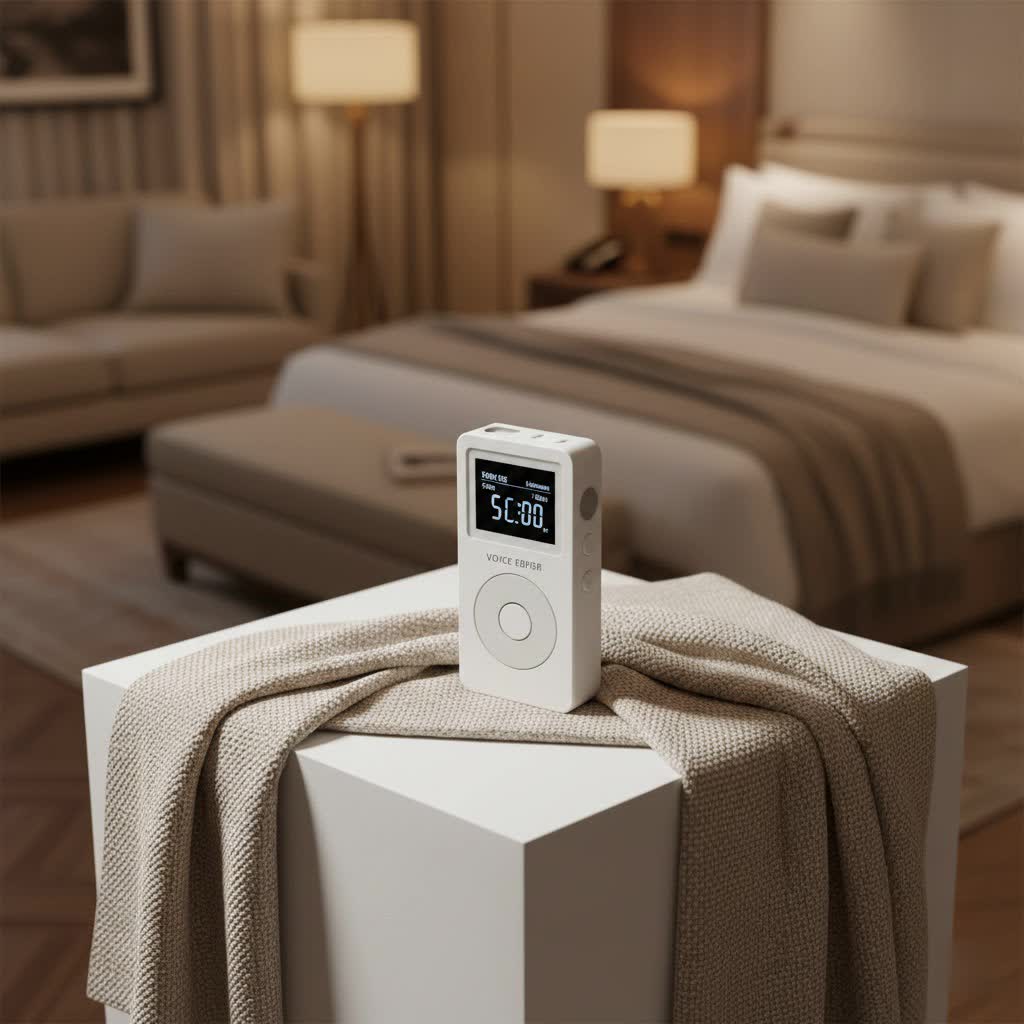
At Ukrbl, we believe that great sound should be accessible to everyone, and that starts with understanding your tools. Today, we’re diving deep into everything you need to know about selecting, using, and optimizing a music voice recorder to elevate your recordings, from quick ideas to polished performances. Let’s get you ready to hit record with confidence!
Why a Dedicated Music Voice Recorder Trumps Your Smartphone
You might be thinking, “Can’t I just use my phone?” And while your smartphone is incredibly versatile, when it comes to serious music capture, a dedicated music voice recorder is in a league of its own. Think of it this way: your phone is a Swiss Army knife, great for many tasks, but a specialized tool like a chef’s knife or a carpenter’s saw will always outperform it for its intended purpose.
Dedicated recorders are built with superior microphones, robust preamps, and advanced audio processing designed to handle a wider dynamic range and reduce unwanted noise. They offer crucial features like external microphone inputs (XLR/TRS), phantom power for studio-grade mics, and the ability to record in uncompressed, high-fidelity formats like WAV. Plus, they won’t interrupt your recording with calls or notifications, and their battery life is typically far more reliable for those extended jam sessions or live gigs. This is where a true music voice recorder shines, ensuring your creative flow remains unbroken.
Essential Features of a Top-Tier Music Voice Recorder
Choosing the right music voice recorder can feel like navigating a maze, but focusing on these key features will guide you to your perfect match:
What Kind of Microphones Should I Look For?
|
Our Picks for the Best Voice Recorder in 2026
As an Amazon Associate I earn from qualifying purchases.
|
||
| Num | Product | Action |
|---|---|---|
| 1 | Sony ICD-UX570 Digital Voice Recorder, ICDUX570BLK, usb |

|
| 2 | 128GB Voice Recorder - ZIPCIDE Digital Voice Activated Recorder with Intelligent Noise Reduction, Professional Dictaphone Tape Recording Device with Playback for Lectures Meeting/Classes/Interview |
|
| 3 | Digital Voice Recorder with Playback Recording Device with Screen & AI Noise Cancellation MP3 Player, 1600H Recording, Auto-Save for Meetings, Lectures, Interviews (128, GB) |
|
| 4 | 64GB Digital Voice Recorder with Playback: Voice Activated Recorders for Lectures Meetings Interviews - EVISTR Dictaphone Recording Device Tape Recorder Portable Mini, Audio Recorder with USB, MP3 |
|
| 5 | Magnetic Voice Activated Recorder - (7000 Hours) Voice Recorder with DSP 5.0-AI Noise Cancellation - 64GB Portable Recording Device, Voice Recorder with Playback for Work, Meetings, Lectures |
|
| 6 | soundcore Work by Anker, Portable Al Voice Recorder, AI Note Taker, Al Transcription & Summarization, 6-Month Pro at No Charge, Cross-Meeting Summary, MFi Certified, Privacy Protection, Black |
|
| 7 | 128GB Digital Voice Recorder for Lectures Meetings - EVIDA 9296 Hours Voice Activated Recording Device Audio Recorder with Playback,Password |
|
| 8 | Digital Voice Recorder 16GB Voice Recorder with Playback for Lectures - USB Rechargeable Dictaphone Upgraded Small Tape Recorder Device |
|
| 9 | AI Digital Voice Recorder 128GB: AI Transcribe & Summarize Voice Activated Recorder with Playback - OTG - Portable Tape Recorder for Meeting & Lectures |
|
| 10 | 132G (9800 Hour) Voice Activated Recorder - Elasound Voice Recorder with AI-Intelligent Triple Noise Reduction, Portable Audio Recorder for Work, Lectures, Meetings, 100H Continuous Recording Device |
|
The microphones are the ears of your music voice recorder, and their quality makes all the difference. Look for devices equipped with stereo microphones, often arranged in an L-R configuration, as they capture a more immersive and realistic soundscape. Many professional-grade music recorders also feature built-in shock mounts to minimize handling noise and low-cut filters to eliminate distracting low-frequency hums, like air conditioning.
For serious musicians, the ability to connect external microphones via XLR or TRS inputs is a game-changer. This opens up a world of possibilities, allowing you to use specialized studio mics for vocals or instruments, often with phantom power support.
What Recording Formats and Quality Settings Matter for Music?
This is where your recording’s fidelity is determined. You’ll primarily encounter two formats:
- WAV (Waveform Audio File Format): This is the gold standard for music recording. WAV files are uncompressed, meaning they retain all the original audio data. They offer the highest quality and are ideal for editing, mixing, and mastering. Think of them as the RAW files of audio.
- MP3 (MPEG-1 Audio Layer 3): MP3s are compressed files, smaller in size, making them convenient for sharing or casual listening. However, this compression means some audio data is discarded, which can impact sound quality, especially during intensive editing.
For professional or high-quality music recording, always aim for WAV. Additionally, pay attention to sampling rate (e.g., 48 kHz or higher) and bit depth (e.g., 24-bit or 32-bit float). Higher numbers here mean more detailed and nuanced recordings. As expert audio engineer Leo Chen often says, “Recording at 32-bit float is like having an infinite safety net; it virtually eliminates clipping and gives you unparalleled flexibility in post-production.”
What About Battery Life and Storage?
Long recording sessions demand robust battery life. Look for a music voice recorder that offers at least 10 hours of continuous recording. Many modern recorders use standard AA or AAA batteries, while others feature rechargeable internal batteries.
For storage, devices typically come with some internal memory, but expandable storage via SD or SDHC cards is crucial. High-quality WAV files eat up space quickly, so having ample, expandable storage ensures you won’t run out mid-performance.
Is Portability and Durability Important for Musicians?
Absolutely! A music voice recorder needs to be ready to go wherever your music takes you. Compact, lightweight designs that fit easily into a gig bag or backpack are ideal. Robust construction can withstand the rigors of travel and live environments. Features like tripod mounts are also handy for stable recording setups.
What Connectivity Options Are Useful?
Modern music recorders offer a range of connectivity options:
- USB: Essential for transferring files to your computer for editing. Many can also function as a USB audio interface, allowing you to record directly into your Digital Audio Workstation (DAW).
- Bluetooth: Some models offer Bluetooth for remote control via a smartphone app, which can be incredibly useful for hands-off recording during performances.
- Headphone Out: A dedicated headphone jack for real-time monitoring of your audio is non-negotiable for ensuring a clean recording.
Practical Techniques for Recording Music with Your Voice Recorder
Once you have your music voice recorder in hand, it’s time to put it to work. Here are some pro tips to get the best possible sound:
How Do I Set My Recording Levels Correctly?
Setting your recording levels is perhaps the most critical step. Too low, and your recording will be noisy; too high, and it will distort (clip). A good starting point is to aim for your loudest peaks to hit around -12dB on your recorder’s meter. This provides ample “headroom,” giving you a safety buffer against unexpected volume spikes, which are common in live music.
To do this effectively, play the loudest section of the music you intend to record and adjust your input gain until those peaks consistently register around -12dB. Many recorders offer input gain dials for channels, allowing precise control.
Where Should I Place My Music Voice Recorder?
Microphone placement can dramatically affect your sound.
- For a full band: Try to position the recorder centrally, at a moderate distance, to capture a balanced mix of all instruments. Experiment with height to find the sweet spot that avoids boominess or thinness.
- For individual instruments/vocals: If your recorder allows external mics, place them according to standard recording techniques for that instrument. For internal mics, move the recorder around the sound source until you find the richest, clearest tone, paying attention to room acoustics.
- In noisy environments: If you’re recording outdoors or in a lively space, try to find a quieter corner or use accessories like a “dead cat” windscreen to minimize wind noise.
Why Are Test Recordings So Important?
Never underestimate the power of a test recording. Before your main session, hit record, play a short snippet, and then listen back carefully. This allows you to:
- Check levels for clipping or quietness.
- Assess microphone placement and adjust if necessary.
- Identify any unexpected background noises.
- Confirm all your equipment is functioning correctly.
It’s far better to catch and fix issues during a test run than to discover them after an entire performance.
How Can I Keep My Recordings Organized?
Good file management saves headaches down the line. Use your recorder’s ability to create folders for different projects (e.g., “Band Practice,” “Songwriting Demos,” “Live Gig”). Give your recordings descriptive names (e.g., “JamSession_01_GuitarFocus_12-20-2025.wav”) immediately after recording. When transferring to your computer, maintain this organized structure.
Beyond the Basics: Advanced Applications for Your Music Voice Recorder
A music voice recorder isn’t just for capturing performances; it’s a versatile tool for every musician:
- Capturing Song Ideas on the Fly: That brilliant melody or chord progression that pops into your head won’t wait. A portable recorder can be switched on in seconds, allowing you to hum or strum it down before it slips away.
- Analyzing Band Practices: Recording rehearsals allows you to listen back objectively, identify areas for improvement, refine arrangements, and ensure everyone remembers their parts. Sharing the audio files with bandmates after practice can be invaluable.
- Field Recording for Unique Sounds: Want to add the sound of rain, street ambiance, or a specific percussive texture to your music? Your music voice recorder is perfect for capturing unique sound effects to enrich your compositions.
- Simple Live Gig Archiving: For new bands, a quality portable recorder can capture live performances, providing material for social media, websites, and a historical record of your journey, even before hitting the studio.
Expert Insight: Embracing the Dynamic Range
“Many musicians are so focused on getting a ‘loud’ signal that they forget about dynamic range,” advises Ukrbl’s Senior Audio Consultant, Elena Petrova. “A good music voice recorder, especially those with high bit-depth capabilities, allows you to capture the softest whispers and the loudest crescendos without distortion. Don’t be afraid to record at slightly lower levels; you can always boost it cleanly later. The key is to avoid clipping at all costs, as that’s irreversible.”
Questions & Answers About Music Voice Recorders
Q: Can a basic voice recorder be used for music?
A: While a basic voice recorder can capture sound, it typically lacks the microphone quality, input options, and uncompressed recording formats necessary for high-fidelity music recording. A dedicated music voice recorder is designed to handle the complexities and dynamic range of musical instruments and vocals much more effectively.
Q: What is 32-bit float recording and why is it important for music?
A: 32-bit float recording offers an incredibly wide dynamic range, essentially making it almost impossible to clip or distort your audio during recording. This means you have immense flexibility during post-production to adjust levels without introducing noise or distortion, making it a game-changer for capturing unpredictable live music or performances with extreme dynamic shifts.
Q: How much internal storage do I need for a music voice recorder?
A: While some internal storage is useful, prioritize models with expandable memory card slots (SD/SDHC). WAV files, especially at high sampling rates and bit depths, consume significant space. Aim for a recorder that supports at least 32GB or 64GB SD cards, and keep spare cards on hand for longer sessions.
Q: Should I use built-in microphones or external ones for music recording?
A: For quick ideas or field recordings, built-in stereo microphones are often excellent. However, for studio-quality vocals, individual instruments, or multi-track recording, external microphones connected via XLR/TRS inputs will generally provide superior sound isolation, clarity, and control.
Q: How do I transfer recordings from my music voice recorder to a computer?
A: Most music voice recorder devices connect to your computer via a USB cable. Once connected, the recorder often appears as a removable storage device, allowing you to simply drag and drop your audio files to your computer. Some advanced models may also offer Wi-Fi or Bluetooth transfer options, or even integrate directly with your DAW as an audio interface.
Q: Is there a significant difference between a portable recorder for podcasts and one for music?
A: While there’s overlap, a music voice recorder often prioritizes broader stereo imaging, higher fidelity recording formats, and a wider dynamic range to capture complex instrumentation. Podcast recorders might focus more on clarity for speech, noise reduction for dialogue, and often simpler mono or dual-mono inputs.
Q: Can I use my music voice recorder as an audio interface for my computer?
A: Many modern music voice recorder models can indeed function as a USB audio interface, allowing you to record directly into your Digital Audio Workstation (DAW) software on your computer. This feature is incredibly convenient for studio work and eliminates the need for a separate interface for basic recordings.
Your Sound, Unlocked
Investing in a quality music voice recorder is investing in your musical journey. From capturing those fleeting moments of inspiration to documenting full-band rehearsals or live performances, the right device empowers you to preserve your sound with clarity and precision. By understanding the key features, mastering essential techniques, and embracing the potential of these powerful little devices, you’ll unlock new levels of creativity and control over your music. So, choose wisely, practice often, and let your music voice recorder be the silent, steadfast partner that captures every note of your passion. Happy recording!
