An automatic voice recorder, also known as a voice-activated recorder, is a smart device that begins recording only when it detects sound above a preset threshold and automatically pauses during periods of silence. This intelligent functionality conserves battery life and storage space, making audio capture more efficient and user-friendly compared to traditional continuous recording devices. With over 15 years of expertise in audio technology, these recorders are recognized as game-changers for hands-free sound capture.
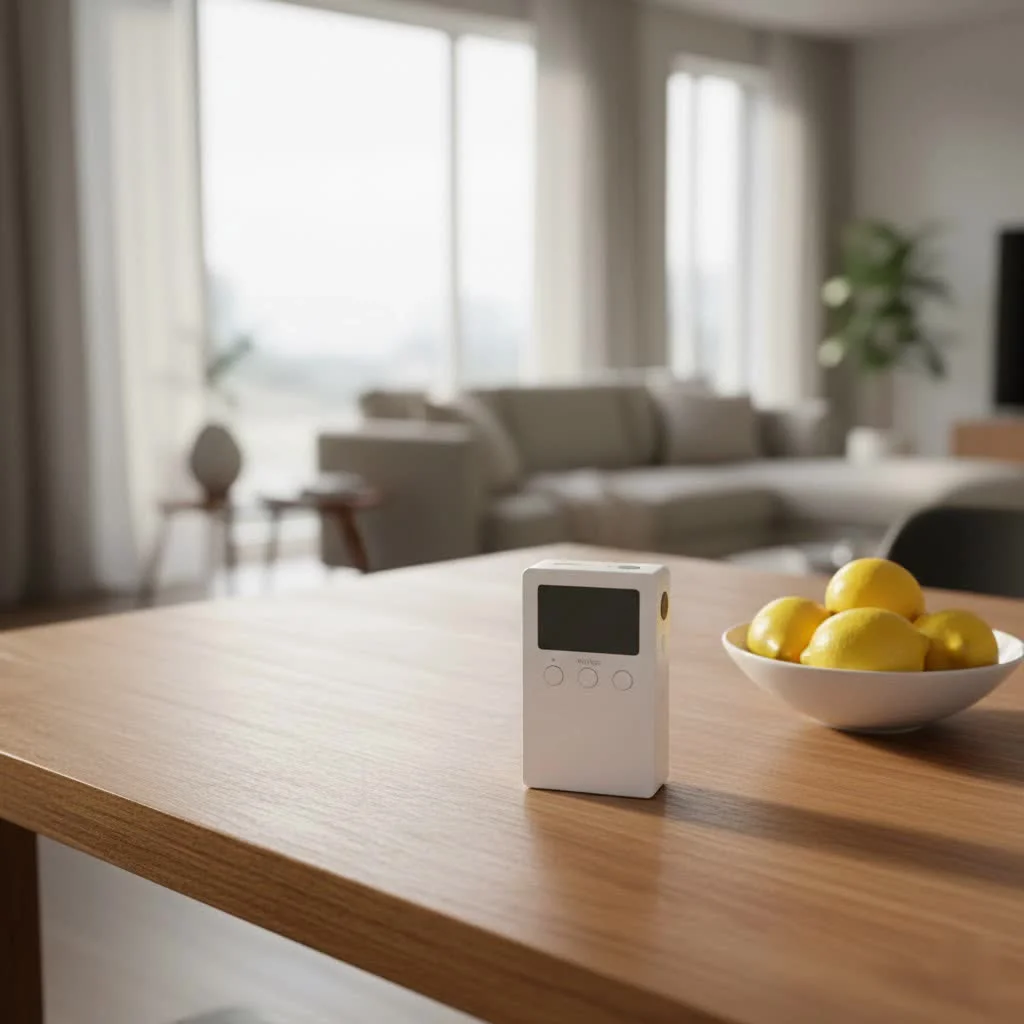
At its core, an automatic voice recorder acts as an intelligent assistant, capturing only the important spoken content and eliminating dead air. This fundamental shift in audio capture enhances efficiency, discretion, and user experience. Unlike traditional recorders that capture everything continuously, an automatic voice recorder prioritizes valuable spoken content by activating only when sound is present. For voice recorder buying guides on this site.
How Does This Smart Device Actually Work? The Science Behind the Silence
The intelligence of an automatic voice recorder stems from its sophisticated internal mechanisms, involving precise technological processes rather than random starts and stops.
First, these devices feature highly sensitive microphone sensors, specifically designed to pick up ambient sounds. The quality of these microphones directly impacts the recorder’s ability to capture subtle sounds or conversations from a distance.
Next, the voice activation mechanism, the device’s “brain,” employs sophisticated software algorithms, often powered by acoustic pattern recognition systems. The recorder is programmed to detect sound exceeding a predetermined volume threshold, known as the “trigger level.” For example, quiet ambient noises like an air conditioner’s hum or keyboard taps typically fall below this threshold and won’t activate the recorder. However, when speech begins, the volume and frequency patterns cross this line, initiating recording.
When conversation ceases, the automatic pause functionality activates. Once the device senses that sound has stopped or fallen below its preset threshold, it gracefully pauses recording. This ingenious feature prevents unnecessary silence from being captured, preserving storage space and simplifying audio file navigation. Many modern automatic voice recorders save these clean, segmented sound files in common formats like MP3 or WAV, ensuring broad compatibility and high quality.
For advanced users, some modern models offer post-processing capabilities, including real-time noise cancellation, audio enhancement for crisp low-volume speech, and accurate timestamping for impeccable organization. Certain AI-powered variants even provide real-time transcription and smart search features, converting audio to text and allowing users to quickly locate key phrases.
Why Should an Automatic Voice Recorder Be Your Next Gadget?
Integrating an automatic voice recorder into your daily life offers numerous benefits, enhancing efficiency, convenience, and audio quality.
Maximize Storage and Battery Life
|
Our Picks for the Best Voice Recorder in 2026
As an Amazon Associate I earn from qualifying purchases.
|
||
| Num | Product | Action |
|---|---|---|
| 1 | AI Digital Voice Recorder 128GB: AI Transcribe & Summarize Voice Activated Recorder with Playback - OTG - Portable Tape Recorder for Meeting & Lectures |

|
| 2 | 64GB Digital Voice Recorder with Playback: Voice Activated Recorders for Lectures Meetings Interviews - EVISTR Dictaphone Recording Device Tape Recorder Portable Mini, Audio Recorder with USB, MP3 |
|
| 3 | 128GB Voice Recorder - ZIPCIDE Digital Voice Activated Recorder with Intelligent Noise Reduction, Professional Dictaphone Tape Recording Device with Playback for Lectures Meeting/Classes/Interview |
|
| 4 | Digital Voice Recorder 16GB Voice Recorder with Playback for Lectures - USB Rechargeable Dictaphone Upgraded Small Tape Recorder Device |
|
| 5 | 128GB Digital Voice Recorder for Lectures Meetings - EVIDA 9296 Hours Voice Activated Recording Device Audio Recorder with Playback,Password |
|
| 6 | Digital Voice Recorder with Playback Recording Device with Screen & AI Noise Cancellation MP3 Player, 1600H Recording, Auto-Save for Meetings, Lectures, Interviews (128, GB) |
|
| 7 | Magnetic Voice Activated Recorder - (7000 Hours) Voice Recorder with DSP 5.0-AI Noise Cancellation - 64GB Portable Recording Device, Voice Recorder with Playback for Work, Meetings, Lectures |
|
| 8 | soundcore Work by Anker, Portable Al Voice Recorder, AI Note Taker, Al Transcription & Summarization, 6-Month Pro at No Charge, Cross-Meeting Summary, MFi Certified, Privacy Protection, Black |
|
| 9 | 132G (9800 Hour) Voice Activated Recorder - Elasound Voice Recorder with AI-Intelligent Triple Noise Reduction, Portable Audio Recorder for Work, Lectures, Meetings, 100H Continuous Recording Device |
|
| 10 | Sony ICD-UX570 Digital Voice Recorder, ICDUX570BLK, usb |
|
Consider a lecture with long pauses or an interview with moments of reflection. A traditional recorder would continuously consume memory and battery on silence. An automatic voice recorder, however, intelligently pauses, significantly conserving both disk space and extending battery life. This results in fewer charging interruptions and more room for actual content, allowing for hours or even days of recording on a single charge, far surpassing continuous recorders.
Effortless Review and Playback
Scrubbing through hours of recorded audio to skip silent gaps is tedious. With an automatic voice recorder, these awkward silences are largely eliminated, resulting in cleaner, more condensed audio files that make review and playback effortless. This time-saving feature is a significant advantage for anyone managing lengthy recordings.
Hands-Free Convenience
In many situations, such as meetings, interviews, or critical discussions, full presence and engagement are essential. Manually operating a recorder can be distracting. An automatic voice recorder frees your hands and mind, allowing you to focus entirely on the conversation, confident that every important word is being captured. It is the ultimate set-it-and-forget-it tool for audio capture.
Cleaner, More Focused Recordings
By recording only when sound is present, these devices inherently produce cleaner audio files. They reduce ambient or unwanted background noise that might otherwise be captured during silent periods. This focus on spoken content ensures sharper, clearer, and more understandable recordings, especially when combined with built-in noise reduction technologies.
Enhanced Discretion and Organization
For discreet recording, many automatic voice recorder models are compact and designed to blend into everyday objects like pens or USB drives. Many devices automatically segment recordings and add timestamps, transforming potentially chaotic long files into manageable, organized chunks, simplifying future retrieval and reference. As Ukrbl.com’s senior audio engineer, Dr. Elena Petrova, states, “The true power of an automatic voice recorder isn’t just what it captures, but what it intelligently chooses not to capture, streamlining your workflow and enhancing clarity.”
Who Can Benefit from an Automatic Voice Recorder?
The applications for an automatic voice recorder are incredibly diverse, benefiting everyone from busy professionals to curious hobbyists.
- Journalists and Interviewers: Capture every quote and nuance without needing to monitor the record button, especially in fast-paced or spontaneous interview settings.
- Students: Record lectures and study groups, focusing on absorbing information rather than frantic note-taking, and then review only the spoken content.
- Business Professionals: Document critical meetings, conference calls, and dictations, ensuring accurate records for decisions, action items, and performance reviews.
- Researchers: Efficiently collect data from field observations, interviews, or focus groups, saving valuable analysis time later.
- Legal and Security Professionals: Capture crucial evidence or maintain records for investigative purposes, leveraging discretion and reliable activation.
- Musicians and Creatives: Record spontaneous lyrical ideas, melody fragments, or jam sessions without missing a beat, ensuring no creative spark is lost.
- Personal Safety: For those needing to document interactions for personal safety, a discreet voice-activated recorder can provide an invaluable record.
Essential Features to Look for in Your Next Automatic Voice Recorder
When investing in an automatic voice recorder, consider these key features to select the ideal device for your needs:
- Adjustable VOX (Voice Operated eXchange) Sensitivity: This feature allows fine-tuning the recorder’s sensitivity to sound, preventing activation by ambient noise while still capturing quiet speech.
- Audio Quality and Noise Reduction: Prioritize devices offering high-fidelity audio capture and robust noise cancellation technology for clear, intelligible recordings in challenging environments.
- Battery Life and Storage Capacity: Choose models with extended battery life and ample internal storage, or those with expandable memory options, particularly for long recording sessions.
- Discreet Design: If discretion is important, consider ultra-compact designs or those cleverly integrated into everyday objects.
- File Management and Connectivity: Easy file transfer to a computer via USB, intuitive playback controls, and automatic timestamping are crucial for efficient organization.
- Advanced Features: Explore options with AI-powered transcription, smart search, or speaker identification for truly next-level audio documentation.
Frequently Asked Questions About Automatic Voice Recorders
Q: What is the main difference between an automatic voice recorder and a regular voice recorder?
A: The primary difference lies in recording management. An automatic voice recorder (or voice-activated recorder) records only when it detects sound above a certain level, automatically pausing during silence. In contrast, a regular voice recorder records continuously from activation until manually stopped, capturing all silent periods.
Q: Do automatic voice recorders save battery life?
A: Yes, absolutely. A significant advantage of an automatic voice recorder is its ability to conserve battery power by switching to a standby or low-power mode during silent periods, thereby significantly extending its operational time compared to continuous recording devices.
Q: Can automatic voice recorders distinguish between different sounds, like speech and background noise?
A: More advanced automatic voice recorders often incorporate intelligent noise reduction algorithms and, in some cases, AI to differentiate between human speech and general background noise. While they may still activate on loud non-speech sounds, their primary design goal is to prioritize and clean up spoken audio for clarity.
Q: Are automatic voice recorders hard to use?
A: No, most modern automatic voice recorders are designed for user-friendliness. Many models feature one-button recording, intuitive controls, and straightforward file management, making them accessible even for individuals new to audio recording.
Q: Can I use an automatic voice recorder for phone calls?
A: Some specialized automatic voice recorders are designed to connect to phones or integrate with VoIP systems for automatic call recording. However, standard voice-activated recorders are typically intended for ambient sound capture and not directly for phone conversations, unless they include specific accessories or features for that purpose. Always adhere to local laws regarding call recording.
Q: How much storage space do automatic voice recorders typically have?
A: Storage capacity varies widely by model, ranging from a few gigabytes to 32GB or more, often with options for expandable memory via microSD cards. Because an automatic voice recorder conserves space by skipping silence, even a smaller capacity can hold many hours of actual spoken content.
The Future of Seamless Audio Capture is Here
The world of audio recording has dramatically evolved, with the automatic voice recorder leading this revolution. You no longer need manual intervention or wasted time sifting through endless silence. These intelligent devices offer unparalleled efficiency, discretion, and quality, making them an indispensable tool for anyone who values capturing clear, concise audio.
Whether you are a journalist chasing a scoop, a student mastering complex subjects, or a professional aiming for flawless meeting minutes, embracing an automatic voice recorder will streamline your workflow and empower you to focus on what truly matters: the message itself. Take the leap, explore the possibilities, and experience the next level of effortless audio documentation. Your ears – and your productivity – will thank you!
Frequently Asked Questions
What is the main difference between an automatic voice recorder and a regular voice recorder?
The primary difference lies in recording management. An automatic voice recorder (or voice-activated recorder) records only when it detects sound above a certain level, automatically pausing during silence. In contrast, a regular voice recorder records continuously from activation until manually stopped, capturing all silent periods.
Do automatic voice recorders save battery life?
Yes, absolutely. A significant advantage of an automatic voice recorder is its ability to conserve battery power by switching to a standby or low-power mode during silent periods, thereby significantly extending its operational time compared to continuous recording devices.
Can automatic voice recorders distinguish between different sounds, like speech and background noise?
More advanced automatic voice recorders often incorporate intelligent noise reduction algorithms and, in some cases, AI to differentiate between human speech and general background noise. While they may still activate on loud non-speech sounds, their primary design goal is to prioritize and clean up spoken audio for clarity.
Are automatic voice recorders hard to use?
No, most modern automatic voice recorders are designed for user-friendliness. Many models feature one-button recording, intuitive controls, and straightforward file management, making them accessible even for individuals new to audio recording.
Can I use an automatic voice recorder for phone calls?
Some specialized automatic voice recorders are designed to connect to phones or integrate with VoIP systems for automatic call recording. However, standard voice-activated recorders are typically intended for ambient sound capture and not directly for phone conversations, unless they include specific accessories or features for that purpose. Always adhere to local laws regarding call recording.
How much storage space do automatic voice recorders typically have?
Storage capacity varies widely by model, ranging from a few gigabytes to 32GB or more, often with options for expandable memory via microSD cards. Because an automatic voice recorder conserves space by skipping silence, even a smaller capacity can hold many hours of actual spoken content.
Get our weekly buyer guide
Practical specs, not advice. Unsubscribe anytime.
I picked up an automatic voice recorder hoping it would be perfect for capturing meeting notes, but I’ve found the preset threshold for sound detection can be a bit tricky to get right. If there’s background noise, it sometimes triggers, or if someone speaks too softly, it misses it. It’s still better than continuous recording, but it requires some fiddling.
I’ve been using an automatic voice recorder for my university lectures, and it’s been a lifesaver. The way it pauses during silence really saves on storage space, which is huge when you’re recording hours of material. I used to have to manually edit out all the dead air, but now it’s just done for me. Definitely a game-changer for students!
As someone who needs hands-free sound capture for field observations, this device is exactly what I needed. The intelligent assistant feature that only captures important spoken content is incredibly efficient. It means I don’t have to sift through hours of silence later, which saves me so much time in my workflow. Highly recommend for professional use.
This technology is pretty cool. I got one of these voice-activated recorders for transcribing interviews for my podcast, and it works really well for the most part. The battery life conservation is a big plus, as I often forget to charge things. Sometimes it misses the very beginning of a soft spoken word, but it’s rare.